





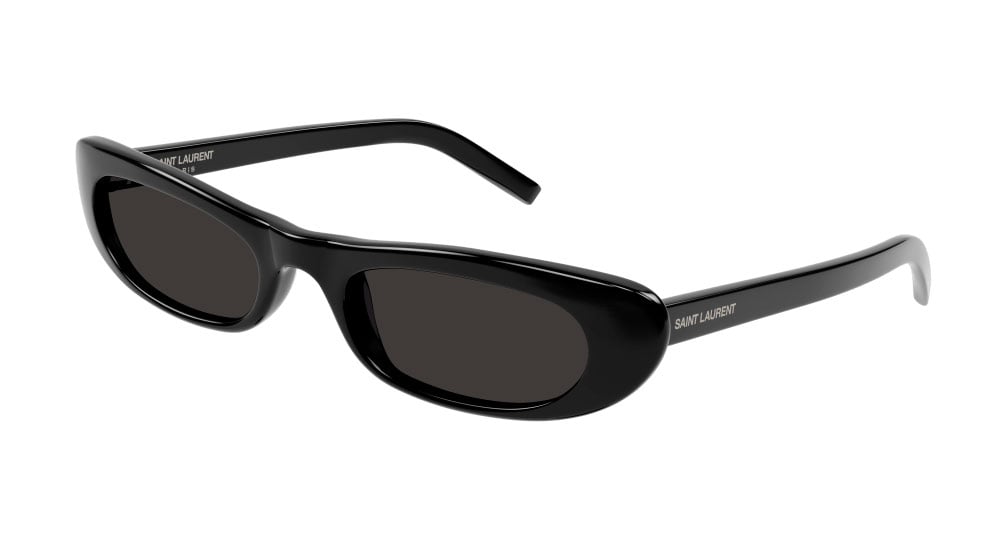


Driving in the rain is a risk. You need to see well for your safety. The yellow and high-contrastlenses are very important, they help you see depth better and reduce glare. So you see more clearly in low light or rain.
Not seeing well when it rains is really dangerous
Rain changes the roads a lot. A normal trip becomes difficult for your eyes when driving in the rain. Water on the asphalt makes a lot of reflections, like mirrors, that confuse distances. You don't see well where vehicles or people are. Daylight gets very low, overcast skies reduce light even more, and things or road markings are less visible. In addition, the vehicles in front of you spray a stream of water, which obscures your view and prevents you from seeing obstacles in time.
All this affects your driving safety. If you don't see well, it takes you longer to decide what to do, your brain needs more time to understand what you see. Your reaction time is longer. This is dangerous if you brake suddenly or if an obstacle suddenly appears. You do not calculate distances and speed well, and it is easier to crash from behind or run off the road. Therefore, seeing clearly and clearly is very important for driving in the rain.
Problems seeing on wet roads
Driving on wet asphalt gives you specific vision problems. Sometimes water on the road causes visual distortions,"visual aquaplaning". You have a hard time knowing how deep a puddle is or if your tires are going to grip well. Glare is another serious problem. The lights of oncoming vehicles or streetlights on a wet road shine brightly. They dazzle you, dazzle you for a moment. You also have a hard time seeing the shapes of things and how far away they are, such as road lines or edges, making it difficult to keep your lane and react in time to changes in the road.
Yellow Lenses: Help you if there is low light and it is raining.
[*14898674303299,15154796069187,15265727873347,15154767561027,14898815107395,14718398726467*]
Yellow lenses are very good for seeing better in low light. They are useful when driving in rain, fog or dusk. These lenses filter out blue light. Blue light scatters a lot in the air, which causes the glare and haze we see. This reduces contrast and clarity. When blocking this light, yellow lenses increase the perception of brightness. They greatly improve contrast, you see everything more clearly.
These lenses don't just reduce annoying glare. I'm talking about glare from the lights of other vehicles or reflections on wet floors. They also enhance warm colors. For example, the yellow of road signs or the red of taillights. So you see everything much sharper and clearer. The edges of objects and bumps in the road are easier to see. For driving at night, in fog or light rain, these lenses are very useful. They help the human eye distinguish details better. Without them, everything would look drab and blurry. In fact, these are the glasses for winter or foggy driving that many people are looking for.
People always ask: Are yellow glasses really good for driving in the rain? The answer is yes, they work very well. They are especially useful for light rain or when there is little light. They make you see contrast much better and your eyes don't get as tired. Wearing them can make a big difference. You can drive safer and more comfortably.
How do yellow lenses work?

Yellow lenses work because of the way the light is. The yellow tint absorbs blue and violet light. These are the ones that scatter the most and cause us to see as a haze or "visual noise". By filtering out that part of the light, the eye sees a cleaner image. This makes everything look sharper and with more contrast. Thus, objects look sharper against the background. Those details that you didn't see before with rain or fog, now become more visible. This greatly improves clarity when the weather doesn't help.
Let's get one thing straight. These yellow lenses are sometimes sold as"night vision goggles". But they don't give you real night vision, like those light-amplifying goggles. Their job is to improve clarity and contrast in low light. They make it look like you see better in the dark, but it's not like they generate light where there isn't any. They just help what is already there.
Advantages that are important for the driver
- You will feel more visual comfort, your eyes get less tired when you drive for a long time. This is good in low light or bad weather. The light from vehicles in front of you is less disturbing, reflections on wet asphalt are no longer dazzling.
- Contrast is greatly improved, you can see road lines, pedestrians or objects on the road better.
- Visual acuity increases, things far away are clearer.
- You will feel more comfortable driving, reduces eyestrain. Good for long trips in low light or bad weather.
High Contrast Lenses: For Better Vision
High-contrast lenses are not just for better vision in low light. They also help a lot when the light changes or is difficult. People think they are just yellow, but there are many types and colors. These lenses make things look more defined, they help you see depth. You can notice small details all around, this is key if driving in the rain, for example.
These lenses have a trick. They filter light in a special way. So your eyes process a clearer, deeper image. For example, you see potholes in the road better. The lines on the road, the ones that are almost washed out by rain, are seen better. Even the person walking in the rain is better distinguished. Rain sometimes makes everything look flat, lifeless. But these lenses help separate colors and textures. So the driver sees things in 3D again, everything feels more real.
How do these lenses help us when it rains? It's easy. They make edges and textures look better. They also prevent light from scattering, so that helps a lot. So, we can see more clearly how far away things and obstacles are. This is important in an environment where it is difficult to see well.
Not Just Yellow: There are More Colors and Tricks for Contrast
[*14718340333891,14720587071811,14718516199747,14720073072963,14718395842883*]
Yellow is not the only color for high contrast. There are others such as browns, grays with a touch of green or even reds. Each enhances contrast in a different way. Brown lenses, for example, are great if the day is cloudy or foggy. Greenish grays give good balance, reduce glare but improve contrast in various situations. There are also special anti-reflective coatings and polarized filters. These help a lot because they eliminate annoying glare without overly darkening. This is super helpful when it rains and wet asphalt glare when driving in the rain.
Many people ask if polarized lenses work well in rain or fog. They are very good at eliminating glare from flat things, like water or dry asphalt. But beware, if it rains very hard or there is a lot of fog, they can make you see less light. Sometimes, with these lenses, it's hard to see your vehicle's displays. It all depends on how much rain or fog there is, simple as that.
The Technology Behind High Contrast
Lenses enhance their contrast with special materials and coatings. Manufacturers make tints that absorb obtrusive light, such as visual noise. But they let in the good light that helps us distinguish colors and shapes. Some models come with polarized filters different, not the usual ones. These filters selectively filter out the scattered light that prevents you from seeing well, but without taking away all the clarity. Anti-reflective coatings are also important, they eliminate internal and external lens flare. This makes you see more clearly on the road.
Which Lens to Choose? Yellow Lenses vs. High Contrast Lenses
Choosing between yellow and high-contrastlenses depends on where you drive and what you like. Yellow lenses are a high-contrast type, of course. They work best when there is very little light, such as at night, dawn or dusk. Or if it's raining lightly or foggy. Their big advantage is that they brighten your eyesight and make you see better contrast in the dark.
But the name"high-contrast lenses" is broader. They're not just yellow, they can also be brown or gray-green. Or combinations of coatings that do different things. These lenses are most useful if the light changes a lot. They help you reduce glare and see contrast better. This is good for cloudy days, normal rain, or when the sun comes and goes.
So which lenses are best for driving when you can't see well? Yellow lenses are best for when there is very little light. If you prefer something more general, that will work for more situations, a high-contrast lens in another color (such as brown) or with some new technology might suit you better.
Personal Choice Considerations
When choosing your driving glasses, think about how light affects you. Some people are more sensitive to glare. Also look at what kind of driving you do: whether it's in the city, on the highway or if you play sports, and how often you drive in rain or low light. Aesthetic appeal is also important, because the color of the lens changes the way they look. For driving at night or in bad weather, look for several things: that they have CE certification, that they have anti-reflective treatment, that they are scratch-resistant and, if you need them, that they are compatible with your prescription.
Comparison Chart: Yellow Lenses vs. Other High Contrast Lenses
Many people ask about driving glasses. We have yellow and other high-contrast lenses, such as brown or gray-green. The yellow lenses, those are for when there's very little light. Think at night, in a light rain or fog. They "brighten" your vision and make you see better contrast in the dark. They also filter out blue light. They are good because they make your eyes less tired at night, everything looks sharper. But be careful, colors can be somewhat altered. For those who drive a lot at night or with that light drizzle, they are perfect. Now, the other high contrast lenses, let's say the brown or green-gray ones. Those are more for light that changes a lot. Cloudy days, a moderate rain, or if the sun is dazzling you. With these you see objects better, you understand better how far away things are, and you don't mind the glare as much. They are more versatile, they help you see well and at the same time they don't dazzle you, like a more natural vision. You see color more real. If you're looking for something that will work for many types of weather, these are the way to go.
Beyond Lenses: Other Tips for Driving in the Rain.
Specialty lenses help a lot, that's true. But to be safe on the road in the rain, there are other things you need to do. First, always check your tires; the tread should be good. This way they evacuate the water and you avoid aquaplaning, which is very important for road safety in the rain. Drive slower than usual, and leave more space with the vehicle in front. This way you have more time if something happens suddenly. Check that your windshield wipers are perfect, that they do not leave spots or fog up the glass. Use low beams, even in the daytime, so that others can see you. And the fog lights, only use them if you can hardly see anything, so as not to dazzle other drivers.
"Safe driving is everybody's business, you know? Good glasses, like high-contrast ones, help a lot, they are an important base. But always, always drive carefully and check your vehicle regularly." - Bassol Optics team.
At Óptica Bassol, your safety is our priority.

Here at Optica Bassol, we know how important it is to see well and safely when you drive, especially if the weather is bad, you know. We are experts in sight, that's why we have a lot of very good quality lenses made just for drivers. There are yellow and high contrast lenses, from the best brands, of course. You can find from Palm Angels Salton Sunglasses 107 52 to Off White Dalton Sunglasses 1007 49, also Retrosuperfuture Aalto Black, or Gigi Studios Dalton 6668 1 65. All of them are good and look good, we choose them for how well they work and for their style, so you get something of quality.
If you're wondering where do I buy yellow lenses for driving or what brands sell high contrast lenses for driving? Well Bassol Optics is the place. We have many options, for whatever you need, you're sure to find something. Oh, and if my lenses are prescription lenses, can they have the yellow filter? Yes, of course they can, many of our prescription lenses can have these special filters, so you can see well and safely at the same time.
We give you personal advice for your vision
Come to our stores, you can also call Optica Bassol. We do a complete eye exam and give you personalized advice. Our experts help you choose the right glasses. We identify what you need for driving or for your daily life. So you will always see well and safely, at any time.
Finally: Rain doesn't have to be dangerous for you.
Driving in the rain doesn't have to be a burden or something that puts you in danger. Choosing special lenses, such as yellow or high-contrast lenses, is a good idea. It's a worthwhile investment for you and your family's safety. These glasses can transform poor vision. They make you see everything more clearly and drive with more control. This greatly reduces the risk of accidents in bad weather or foggy conditions. At Optica Bassol, we care about your eyesight and your driving safety. That's why we give you the best things, so you can enjoy every trip with much more peace of mind.


