





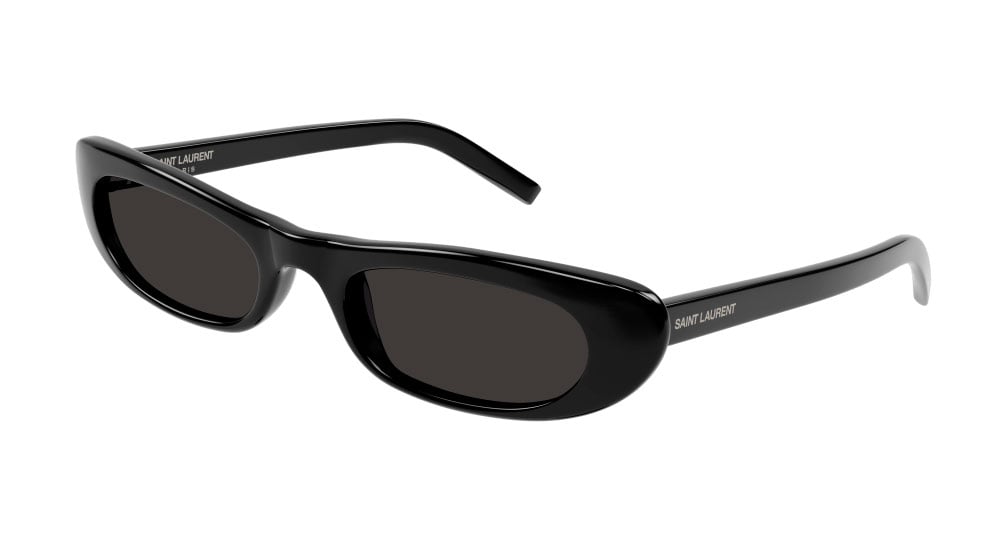


The short answer is yes, bio-acetate is very, very worthwhile. It gives you exactly the same strength, that necessary flexibility and a luxurious finish as the usual acetate, but with a lot less mess on the planet. It's the perfect choice for anyone who wants accessories that can stand up to the daily grind while still being environmentally responsible, thus improving the lifespan of sunglasses.
Why is bio-acetate turning the optical industry on its head?
[*14720413532483,14720414384451,14720239042883,14720319848771,15057549820227,14719142723907,14720213352771,14720174293315*]
The truth is that the eyewear world is changing fast. For years, we've been making frames out of petroleum-based plastic, but today we're no longer settling for that and are asking for more conscious choices. That's where bio-acetate comes in, earning its star spot. Unlike the usual plastics, this material is a very modern solution that manages to combine respect for the environment with a first-rate technical quality, standing out for its sustainability and resistance.
It is clear that sustainable fashion is no longer just another fad; it is something that really matters. When you choose frames made from organic sources, you're not only lowering your environmental footprint, you're also putting your money into products that maintain that elegant style typical of the best eyewear brands: fashion, luxury and exclusivity. The secret is to prove that luxury and ecology can go hand in hand, giving you eyewear that doesn't sacrifice quality just to be more eco-friendly.
What exactly is bio-acetate and how does it differ from the usual acetate?
[*14720413532483,15057579737411,14718355341635,14832118399299,14718941888835,15057577214275,14719576539459*]
Sometimes we get confused with the names, but the truth is that there is a huge difference. Look, the acetate of all life uses phthalates that come from petroleum to shape it, but the bio-acetate changes all that for plasticizers that come directly from plants. Basically, it's made from wood pulp and cotton fibers, so it's a natural material of impressive quality and a superior alternative to conventional petroleum-based plastic in terms of comfort and aesthetics.
What makes the difference is how it is manufactured, because the process is much cleaner and forgoes the use of chemicals that are a problem. If you compare them, you won't notice anything unusual; bioacetate feels the same to the touch and has that same old gloss and depth of color. That's why many brands that make Chanel Sunglasses are already using these materials, because they get glasses with a high durability without punishing the environment, betting on an eco-friendly design.
Clear differences: Bio-acetate versus the usual plastic.
| Quality | Bio-acetate | Common plastic |
|---|---|---|
| Where it comes from | Renewable sources (wood/cotton pulp) | Petroleum derivatives |
| Hardness | Very high (equal to acetate standard material) | Medium or loose |
| Does it degrade? | Yes, if conditions are met | Not at all, lasts for centuries |
| Final appearance | Premium, with gloss and depth | Slightly flat or synthetic |
How well do they hold up to jogging? Analyzing the lifespan of sunglasses
There's a belief that if something is eco-friendly, it has to be delicate or break at the slightest rub. But no, that's not the case at all. Bioacetate withstands shocks, stresses and does not mind being in the sun for a long time, because it has passed all the quality controls. Moreover, it fits just as well as a traditional expensive frame, so you can take a look at these Eyewear fitting: Tips and advice to make them fit like a glove according to the shape of your face.
As with standard acetate, this material is thermoplastic, so any optician can shape it and make it perfect for you. In the end, making things last a long time is the best way to be sustainable: if your glasses last for years, you throw away less waste. So be clear that bioacetate is not something to use and throw away, it is a material designed to be used every day without affecting the useful life of the glasses.
True sustainability: from source to end of life
When you compare bioacetate with ordinary plastics that we use once and throw away, you notice that it pollutes a lot less. A lot of bad chemicals are eliminated in the manufacturing process, which is great both for nature and for the health of those who work in the plants. On top of that, since everything comes from renewable sources, the lifespan of the sunglasses is much better integrated with the environment and does not leave such a negative footprint, making it an eco-friendly alternative to petroleum derivatives.
- Lower carbon footprint: Using plant-based sources such as wood pulp consumes significantly less energy compared to the entire process of refining petroleum into conventional plastic.
- Ability to degrade: Although you can't just throw them in the compost at home, the degradation process of this material is much faster than common plastics made from petroleum.
- No presence of phthalates: This helps a lot for people with sensitive skin, getting rid of annoying irritations or allergies thanks to the natural composition of these glasses.
Maintenance and care: How to make your glasses last much longer
The truth is that any material, no matter how hard it is, asks for a little attention to ensure its resistance and durability. If you want your bioacetate glasses to look as impeccable as when you first wore them, follow these simple habits. You can check out all the details in our guide on Glasses: How to prolong the life of your glasses. You also need to take care of the lenses, of course; if you see any scratches, take a look at How to remove scratches from glasses: Tips and myths so it doesn't get worse.
Always clean your frames using lukewarm water and a neutral soap, and no harsh chemicals to damage them. Also, keep your glasses in their case every time you don't wear them, this is the golden rule if you don't want them to be deformed by heat or receive an unexpected blow, thus protecting the quality of your investment.
Aesthetics and style: Can you be sustainable and fashionable at the same time?
[*15057551622467,14720414024003,15057572987203,14720126648643,14720275054915,14720413303107,14719576867139,14719606849859*]
The answer is a definite yes. With bioacetate, designers have the freedom to play with transparencies, textures and super vibrant colors that regular plastic can't even come close to matching. It's such a versatile material that even luxury brands like Chanel Sunglasses are turning their collections to this eco eyewear option. In the end, fashion is no longer that dilemma of choosing between style or ethics; now you can have both at the same time and stand out with high-end design.
Conclusion: What do we really think of bio-acetate eyewear?
After giving their composition, durability and commitment to the environment a good look, it's clear that opting for bio-acetate is the smartest thing you can do. Not only do they pass all the quality tests, but they lead the way to the future in the world of optics. If you want your glasses to have a long lifespan, look amazing thanks to their aesthetics and help the planet a little with an eco-friendly material, bio-acetate is, without further ado, the best buy for your look and your style.


