





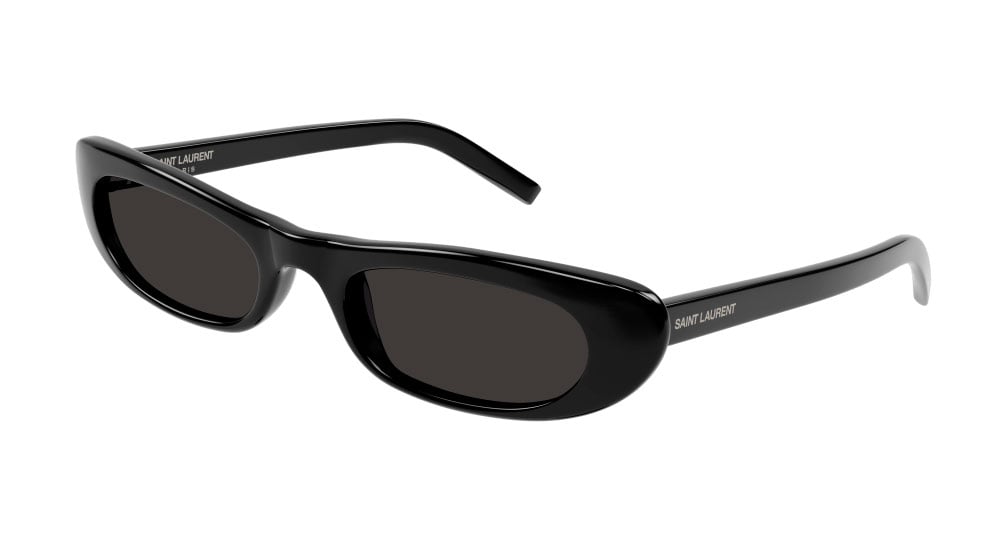


You have to choose between Trivex and Polycarbonate lenses. This is important for your vision and comfort with your glasses. Polycarbonate is shock resistant, more durable, and costs less. Trivex offers you a clearer vision, weighs less, being ideal if you are looking for a lot of sharpness and comfort for your eyes.
About Trivex and Polycarbonate: The basics you need to know
When it comes to eyewear, the lens material is as important as your prescription. There are two materials widely used to make lenses: Polycarbonate and Trivex. Both of them changed a lot how glasses are made, now they are lighter and more resistant. Before the old lenses broke easily, they weighed a lot. Polycarbonate appeared in the 80's, people accepted it quickly because it was very hard and shock resistant, so they use it a lot for safety and sport glasses. Trivex appeared around 2000, it was looking to be clearer and lighter but it also held up well. Knowing the difference helps you to make the right choice, so that your eyes are protected and comfortable according to what you do in your daily life.

What is Polycarbonate? We tell you.
Polycarbonate is a very strong plastic. It was first created for things in space, such as astronauts' helmets or spacecraft windows, just imagine. It withstands shocks very well, that's why they started using it for glasses in the 80s. These lenses are very light and thin, plus they protect you 100% from the sun, from UV rays. They are a great option if you want something that lasts, is safe and economical.
What about Trivex? Check it out.
Trivex is a newer lens material. It was introduced in 2001. It was designed to be lightweight, strong and, most importantly, to provide much clearer vision. They make it with something called urethane monomer, that's part of the process. It's made in a special way, so the lenses have less distortion on the inside. It withstands impact about the same as Polycarbonate, but it has a higher Abbe number. This means you see sharper and with less odd colors. It is a premium choice if you are looking for high quality vision.
Trivex and Polycarbonate: Numbers and Comparison
{*640119439683*}
This part is important. Here we explain the differences between Trivex andPolycarbonate. We are going to analyze their technical characteristics and their practical application. We want you to choose the best glasses for you. We will talk about how you see with them, how long they last and how much they cost. Aesthetics is also an important factor.
How to See Clear (The Abbe Number)
Seeing well and clearly is key to avoiding visual distortions. Truth be told, no one likes to see blurry. The Abbe Number tells us this. It measures how well the lens material separates light. A high Abbe number is good. It means the light is not scattered too much and you won't see those chromatic aberrations.
Trivex lenses have an Abbe Number of 43 to 45 or so. This makes you see very clear, and almost no chromatic distortion. You won't get halos. The image looks super sharp and the colors are very accurate. Even if you look at the edge of the lens, or if you have high prescriptions. People who want the best for their eyes often opt for Trivex.
But Polycarbonate lenses have a lower Abbe Number, like 30 to 32. They are suitable for most people. This feature can cause you to see a small rainbow or color halo (chromatic aberration) around objects. This sometimes happens if you are very sensitive or if your prescription is high. For most things you do, the clarity of Polycarbonate is fine. People who want to protect their children choose Polycarbonate. If extreme clarity is your priority, Trivex is the superior choice.
Shock and Impact Resistance and Durability
Both Trivex and Polycarbonate withstand impact much better than the old fashioned plastic or glass lenses. That's why they are excellent for safety glasses, for people who do sports or for children. They also meet important standards such as ANSI Z87.1, which offers peace of mind and safety.

Polycarbonate is extremely tough, up to ten times stronger than regular plastic. It withstands shocks very well, it does not break if something hits it hard, so it is good for dangerous places or if you do a lot of sports, it is widely used.
Trivex is also tough, it holds a little less than Polycarbonate in extreme impacts, but it is still very tough. It meets and exceeds safety standards, offers excellent protection against breakage or pitting, and is suitable for most users, even people with a very active lifestyle.
For day-to-day use, the difference in hardness is barely noticeable, both protect you a lot from numerous accidental impacts. Your eyes are safe, they do not break into dangerous fragments, ensuring the safety of your eyes.
Weight and Comfort
The weight of the lenses matters for you to be comfortable with the glasses, especially if you wear them a lot or if you are sensitive to weight. Polycarbonate lenses are lightweight, weighing less than standard plastic lenses and considerably less than glass lenses.
But Trivex lenses are even lighter, the lightest material available for everyday lenses, they are extremely lightweight. This extra lightness translates into superior comfort, ideal for large frames, high prescriptions, or if you want to feel like you're not wearing anything at all. They do not put pressure on the nose or ears, which enhances the wearing experience.
UV protection
Protecting yourself from the sun is crucial for your eyes, in the long run, so you avoid problems like cataracts or macular degeneration or retinal damage. Luckily, Trivex and Polycarbonate give you 100% UV protection, blocking all those harmful ultraviolet rays, UVA and UVB. They don't need special coatings for this, like other materials, they both ensure that your eyes will be totally safe from the sun, they are an excellent choice if eye health is your priority.
Lens Thickness and Aesthetics
Lens thickness depends on the refractive index of the material, a higher index means thinner lenses, it's as simple as that.
Polycarbonate has a refractive index of 1.59. That's why we call it a"high index" material, it makes the lenses much thinner and better looking than regular plastic lenses, especially if you have high prescriptions. It makes quite a difference.

Trivex has a refractive index of 1.53, a little less than Polycarbonate. It could be that the lenses come out slightly thicker for the same prescription, but the difference is minimal in most cases. Trivex is very light and that compensates for its possible thicker thickness, looks good and is very comfortable. For extremely high prescriptions, Polycarbonate may give you a slightly thinner lens, but Trivex is lighter and gives you very clear vision.
Cost and Accessibility
Money matters a lot when people choose their lenses. Polycarbonate lenses are usually the more affordable of the two options. Their manufacturing process is more standardized and their popularity is greater, so their price is easier to afford. They offer a lot of strength and protect you from the sun at a competitive price, which is why they are so popular, making them excellent value for money.
Trivex lenses are a more modern material, their manufacturing process is more complex and they offer greater visual benefits, which is why they usually cost slightly more than Polycarbonate lenses. That higher price is because they have invested in their development and because of the high visual quality and extreme lightness. That additional investment in Trivex can be justified if you are looking for the best vision and comfort. The final price will always depend on your prescription, the extras you choose and the optician, each one has its own prices.
Compatibility with Additional Treatments
Trivex and Polycarbonate are compatible with many additional treatments. You can add anti-reflective coatings, anti-scratch hard coatings, blue light filters, hydrophobic and oleophobic treatments. There is no big difference in how they wear or how well they perform from one material to another, allowing for complete customization of your lenses.
Characteristics Polycarbonate Lenses Trivex Lenses Optical Clarity (Abbe Number) Good (Abbe 30-32), slight chromatic aberration possible at high prescriptions. Excellent (Abbe 43-45), minimal chromatic aberration. Exceptional Impact Resistance (up to 10 times more than standard plastic), ideal for safety. Very high, comparable to Polycarbonate in daily use. Light Weight(Density 1.20 g/cm³), lighter than standard plastic. Lighter(Density 1.11 g/cm³), the lightest on the market. Inherent 100% UVA/UVB UV protection. 100% inherent UVA/UVB. Thickness (Refractive Index) Thin (IR 1.59), ideal for high prescription. Slightly less thin(IR 1.53), but very light. Cost More affordable, excellent value for money. Slightly higher, premium option. Ideal for Children, athletes, risky jobs, tight budget. Maximum clarity, extreme comfort, weight-sensitive users.
Who chooses Trivex and who chooses Polycarbonate? A guide for you.
Choosing between Trivex and Polycarbonate depends on your personal needs, lifestyle and visual priorities. Both materials are very good, but have subtle differences that make them more suitable for specific user profiles. We're going to give you a guide to help you know which is best for your eyes.

Polycarbonate: Good for...
Polycarbonate lenses are great for many people, they are strong and economical. They are the preferred choice for:
- Children and teenagers: They are very impact resistant, this makes them safe and durable for their daily activities.
- Sportsmen and athletes: They are perfect for sports glasses, guaranteeing safety and durability during intense exercise.
- Risky professions: For people in professions with risk of eye impact, such as construction or workshops.
- Tight budgets: They offer good protection and are lightweight, as well as being more economical.
- High prescriptions: They allow you to make thinner lenses if you have high prescriptions.
If you care a lot about safety, durability and economy, Polycarbonate is an excellent choice.
Trivex: The best for you
Trivex lenses are for people who prioritize maximum visual quality and superior comfort. They are the ideal choice for:
- If you like clarity: If you care a lot about seeing clearly, with accurate colors and no chromatic aberrations.
- If you can't stand the weight: For those looking for extreme lightness, these lenses are extremely lightweight, perfect if you have large glasses or if you wear them all day, offering a feeling of wearing nothing.
- With medium or heavy prescriptions: If you have high prescriptions, Trivex is light and helps you see very clearly, offering great visual clarity and lightness, even if its thickness may be slightly thicker than Polycarbonate.
- Drivers and people who demand a lot from their eyes: If you drive frequently or your profession requires high visual acuity, this helps you see better, reducing eyestrain and improving color perception.
- Those looking for a premium lens: It is an investment in the health and comfort of your eyes, to see well and feel very comfortable, it is the highest quality option.
If visual quality and comfort are your top priorities, Trivex is the best choice.
Typical Questions about Lens Materials
Which lens material weighs less, Trivex or Polycarbonate?
Trivex weighs the least of all(its density is 1.11 g/cm³), beating Polycarbonate (which weighs 1.20 g/cm³), which means you will feel more comfortable with your glasses.
Which lens material is more impact resistant?
Both are very strong. Polycarbonate withstands severe impacts better, and is the standard for safety eyewear. Trivex is also tough, offering excellent resistance for most activities.
Which material looks better?
Trivex looks much better, has a higher Abbe number (43-45) and this results in almost no chromatic aberration. Polycarbonate (Abbe 30-32) is not bad, but some people notice small visual distortions or chromatic aberrations with it.
Do Trivex glasses work well for children?
Yes, of course they do. They hold up very well to shocks and provide excellent visual clarity, plus they are extremely lightweight. This is good for active children to be comfortable and safe.
Which costs more, Trivex or Polycarbonate?
Polycarbonate is usually less expensive. Trivex costs a little more because its manufacturing process is more complex and it offers superior visual quality. Therefore, it is perceived as a higher quality option.
Which lens material is good for sports eyewear?
Both are very good because they offer high strength and light weight. Polycarbonate is the most commonly used because of its exceptional impact resistance. Trivex, on the other hand, offers superior visual clarity, which is advantageous for sports that require visual acuity.
Does Trivex filter out blue light?
No, it does not on its own. Both Trivex and Polycarbonate require additional treatment for blue light filtering, but both fully protect you from UV rays.
Conclusion: How to Choose What's Best for Your Eyes
Choosing between Trivex or Polycarbonate lenses is not easy, there is no one-size-fits-all answer. It depends on your individual priorities and needs. We have analyzed their main characteristics. Trivex stands out for its clarity and lightness, while Polycarbonate stands out for its impact resistance and affordable price. Both are modern materials that offer safety and comfort, representing a significant advance. Here at Óptica Bassol, we know that each person has unique visual needs. So visit us, our opticians-optometrists will help you. They will offer you personalized advice based on your lifestyle, visual requirements and budget, ensuring that your new glasses are the perfect choice for you.


