


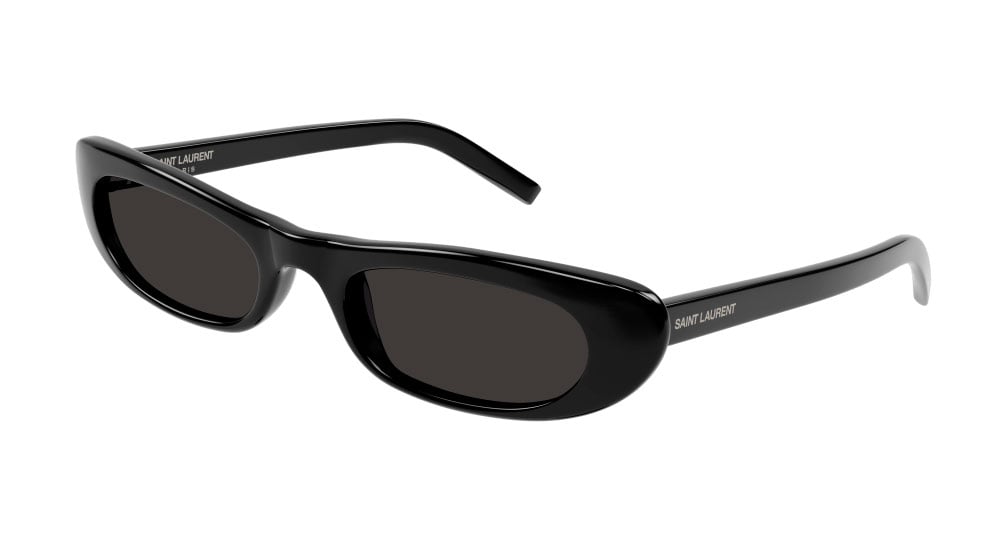


Deciding whether you want a model with a camera or one with artificial intelligence depends entirely on what you want to do. If your goal is to record your experiences in first person, integrated cameras are for you. However, if you are looking for that extra support in day-to-day life, such as on-the-fly translations or object identification, then AI glasses are going to be much more useful.
How smart glasses have changed this 2026
It's amazing how the wearables market has matured this year. We are no longer seeing just any accessories, but devices that blend style and advanced technology. While camera glasses focus on keeping a visual record of everything, AI models work more like an assistant that accompanies you at all times. It is key to be clear about this difference, especially when we take a look at comparisons such as Smart Glasses 2026: Ray-Ban Meta vs Oakley Vanguard. In the end, don't choose just based on the technical specifications, think about how each device fits into your routine, always looking for that middle ground between looking good and really helping you.

Camera glasses: The power of first-person capture
Camera glasses have completely changed how creators and athletes capture their surroundings. Because you can record without using your hands, you get immersive shots that a cell phone can't even begin to achieve. It's great for documenting any experience without being distracted so you can still enjoy what's happening in the moment.
What really matters is the quality of the lens and how well it stabilizes the image. Just like choosing color lenses for sunglasses, you have to pay attention to the hardware depending on the light you will normally have. These glasses go beyond just recording, their strong point is that they are instantly ready. And if you have doubts about which one suits you best for your day-to-day life, take a look at our smart glasses comparison to see how they perform in terms of resolution and battery life.
AI Glasses: Your personal assistant in your eyes
{*647434764611*}
Unlike those that focus on video, artificial intelligence glasses function as data processors. They are capable of object recognition, translate languages on the fly and help you with voice commands, becoming an extension of your own head. They don't need to be recording all the time, they simply "understand" what's in front of you to provide you with useful information.
This technology is turning our professional and personal lives upside down. With just a small gesture or by giving them a command, you can know what street it is, translate a sign or even be reminded of someone's name in the middle of a meeting. AI does not replace your vision; on the contrary, it enhances it. That's why the innovation in Zeiss AdaptiveSun: Smart Sunglasses changes the experience so much, as they make the hardware comfortable and super practical both indoors and under a blazing sun.
Key points: What to check before releasing the money?
Before buying a new device, it is vital that you look at things that go far beyond what the advertising says. Weight, for example, is the first thing: if the glasses are too heavy, they will bother you once you've been wearing them for a couple of hours. You have to look for perfect ergonomics; in fact, if you take a look at the tips for choosing prescription glasses, you'll see that how they fit on the bridge of your nose totally changes how comfortable you feel wearing them all day long.
The battery is still the weakest point in almost all high-end smart devices. On the other hand, we tend to overlook the type of glass, but it's critical to your visual comfort, so don't overlook researching adaptive lens technology so you'll always see clearly, no matter how much you push the processor inside.
Privacy, ethics and how much you notice when you wear wearables
Massively adopting glasses with cameras and AI brings us into a very complex ethical terrain. Recording in public places has to be transparent at all times. That's why many manufacturers have already put in physical LED lights to let people know when the camera is recording; it's a standard that's needed to keep us all trusting each other a little bit.
Speaking of AI, the important thing is how we handle the data. You have to take a close look at what info your glasses process and where it all ends up being stored. Privacy today is no longer just a matter of programs or software, it is also a matter of knowing how to behave: turning off the device in time is just as valuable as knowing how to handle it well. Treat these glasses as if they were your cell phone, but with the extra care of knowing that they are always pointing at what is in front of you.
Buying guide: Which one to choose according to your profile?
{*640121995587*}
The way you use technology determines which model suits you best. If you are a content creator, you will be more interested in cameras and optics. If you are a professional and want to be more efficient, you will be more interested in the artificial intelligence part. Never forget that this is a fashion accessory, beyond the gadget, and that is why the differences between luxury eyewear and wearable technology are becoming less and less clear.
- Creative Profile: Look at the video resolution and how easy it is to edit everything in the cloud.
- Technical/Professional Profile: Look for the AI not to be slow to respond and to understand your work apps.
- Lifestyle profile: Here it is best to find a middle ground between not attracting attention and having the basics for day-to-day use.
If you still have any doubts about which frame best suits your face or what you really need to see well, take a look at our guide to choosing frames according to your visual needs. It's important to do so, to make sure that the money you spend on technology doesn't end up taking its toll on your eyes.
Conclusion: The Future of Augmented Vision
The truth is that there is no stopping this mixing of traditional glasses with smart technology. We are in 2026 and this is just the beginning, we are only seeing the tip of the iceberg. It doesn't matter if your thing is to record everything with an integrated camera or if you prefer that little extra help that AI gives you; the thing is that we are totally changing how we relate to the environment. For all this to work well, the best thing to do is not to go crazy, choose wisely and make sure that the materials are good and comfortable. In the end, the future of augmented vision is not only about seeing more clearly, but also about understanding everything in front of us much better.


