





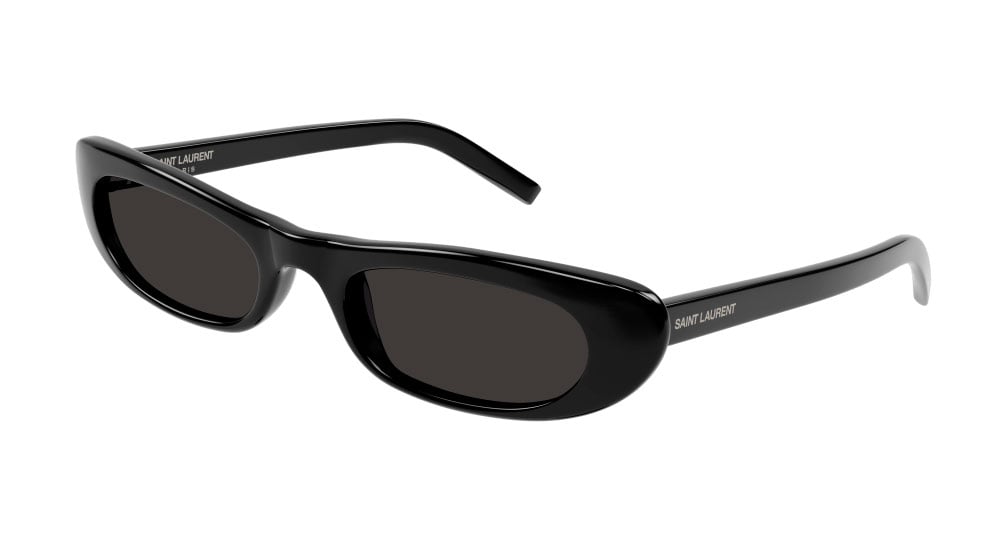


Sailing goggles are very important. They incorporate polarized lenses and a water-repellent treatment. This helps a lot to see well at sea and feel more comfortable. They eliminate annoying glare, prevent salt water from adhering and protect you from the sun's harmful rays. This results in clear vision and less eye fatigue when sailing, which benefits everyone.
Why It's Important to Wear Special Glasses for Boating
The sea makes great demands on the eyes. A normal sunglasses won't do there. Whether you're boating for a hobby or fishing for work, it's crucial to see well. Seeing clearly is just as important as having a good map or working GPS. Navigation goggles are different; they're not like the ones you wear every day. They are made for the water, the sun and the boat that is always moving.
If you wear inadequate goggles at sea, you take a big risk. Your eyes get tired quickly, which is very common. You can get a headache, blurred vision and not perform as well. Worst of all, it's dangerous. If you don't see well, you can't see buoys, other boats, floating objects or how the water changes. All this is vital to avoid collisions or problems. Proper sea goggles are an investment that gives you safety and peace of mind.

"At sea, what you see is the most important thing to be safe. If your goggles aren't right, not only will you be uncomfortable, you can also endanger your life and the lives of those on the boat with you."
Problems Seeing at Sea, They're Unique
The sea is a challenging environment for the eyes. The sun strikes with greater intensity, with no obstructions to dim it, and its light bounces off the water. This causes a very annoying glare. So much glare and reflections make vision difficult and quickly tire the eyes. In addition, UV rays are stronger and more dangerous in water and can damage eyesight in the long term. Salt water is constantly splashing; dirt sticks to the glass of the boat or your glasses. All this makes it almost impossible to see clearly. That's why special goggles are essential.
Polarization: Your Essential Aid Against Glare
The polarization is undoubtedly the most important feature of a pair of sailing glasses. When sunlight strikes flat surfaces such as water, asphalt or snow, it is scattered in many directions. A significant portion of this light becomes horizontal, creating a very strong and distracting glare that reduces visibility. It also distorts colors and makes it difficult to perceive depths. This is very tiring for the eyes in the sea and also prevents you from seeing what is underwater, which is a problem.
Polarized glasses are designed specifically for this. They eliminate the horizontal light waves that cause glare, allowing only the light that is useful for your eyes to pass through. So your vision is much clearer, contrast is improved and you can make out details you couldn't see before. If you are a sailor, this means you can see the seabed, locate schools of fish, perceive the current or detect underwater obstacles with great ease. This technology not only provides you with greater comfort, it is also essential for your safety during water activities.
How do Polarized Lenses Work?
Polarized lenses have a special filter, a very thin laminated layer. This filter works like a tiny, vertically arranged shutter. It lets only vertical light waves through, blocking the horizontal waves that cause glare. It's like looking through a very fine grid. Normal sunglasses just reduce the intensity of all the light, making everything look less bright. Polarized glasses, on the other hand, eliminate the glare directly, offering a clarity and sharpness that is not achieved with non-polarized lenses. The difference is noticeable, instantly apparent when looking at the water.
Good things about Polarization for the Navigator
- Increased safety, better visualization of obstacles: If there is no glare, you can see more clearly what is underwater, such as rocks, reefs or floating debris, reducing the chances of an accident.
- Increased visual comfort: As glare and reflections are reduced, you don't need to squint, which reduces eyestrain and allows you to spend more time relaxing, even on long days.
- Better distinction of colors and underwater elements: Allows better perception of marine animals, the seabed and changes in the water surface. This is key for fishing or observation.
- Less ocular stress: By not constantly straining the eyes, the eyes remain more rested and alert, which favors better reaction and concentration.
Hydrophobic Treatments: Clear Vision Without Disruption
While polarization combats glare, hydrophobic treatments provide clear vision. This is ideal for protecting against splashes and the humid environment of the sea. Hydrophobic goggles have a very thin, virtually invisible coating. This layer modifies the interaction of the lens with water. Water does not adhere, but slides off. The droplets roll off quickly, without leaving marks or blurring vision. It is as if the lens repels water.

This hydrophobic treatment has additional functions beyond repelling water. It also helps prevent the adhesion of salt stains, fingerprints or grease. So your boat goggles stay cleaner for longer and cleaning is much easier. At sea, splashes are constant and normal. This treatment ensures clear vision without annoying interruptions. You can concentrate on sailing or your activity. You don't need to clean the lens constantly, which is important.
Beyond Hydrophobic: Other Essential Treatments for Marine Lenses
- Anti-Reflection (AR) Treatment: Polarization eliminates frontal glare, but anti-reflection is key to avoid internal lens reflections. Light can come from the sides, from behind or bounce off the face. This improves vision and comfort with your boat goggles.
- Anti-scratch treatment: The marine environment is demanding. Sand, salt and frequent use can easily scratch lenses. An anti-scratch coating hardens the surface, prolonging the life of your glasses and maintaining the quality of vision.
- UV protection (UV400): This is an indispensable feature. The sun emits ultraviolet radiation that seriously damages the eyes. In water, this effect is aggravated, as the reflection doubles the intensity. Make sure your lenses provide 100% protection against UVA and UVB rays, up to 400 nanometers (UV400), to protect your eyes from future problems such as cataracts or serious eye conditions.
Materials and Design: Resistance and Comfort Adapted to the Sea
Sailing goggles must not only provide excellent vision. They must also be durable and comfortable. The marine environment and climate are demanding. Materials are crucial, both for the frame and the lenses. They must be lightweight, resistant to salt water and not break easily. They must fit snugly to prevent them from falling out. A good design that wraps around the face and covers the eyes completely. This ensures that the goggles stay in place, even with sudden movements or strong wind.
[*15030981361987,15050935992643,15050936353091,15050936451395,15050936615235,15050937041219,15050938417475*]
Oakley is an experienced brand. Their models, such as the Oakley Oo9506d Paracord 950601 57, are a good example. They apply engineering to the marine environment, using high quality materials and creating designs designed for adventure. They will be of great use in the water.
The Frames: They Must Be Lightweight, Hold Tough and Grip Well
Boat goggle frames should be strong and lightweight. Materials such as Grilamid TR90 or injected nylon are perfect, as they are flexible and resistant to salt water. They withstand temperature changes and do not deform. It is important that they do not break. A good frame always offers the following:
- Flexibility: For a comfortable fit that resists impact.
- Corrosion resistance: It is crucial that they withstand salt water.
- Ventilation: Small holes or special designs to prevent fogging.
- Grip systems: Temples with rubber inserts or floating straps. This prevents them from falling into the water and getting lost.
Lenses: See well and withstand shock to the maximum.
For lenses, we recommend polycarbonate and Trivex in your sailing goggles. Both materials are much more impact resistant than regular glass or CR-39. This is key in case of a fall or impact on the glasses. They are lightweight and offer very clear vision. It is essential to protect your eyes. The curved shape of the lenses is also extremely important. It protects laterally from the sun, wind and splashes. This way, you widen your field of vision without distortion.
Guide to Choosing the Right Goggles for Your Adventure on the Water
To choose the right boat goggles, you need to consider several important aspects. You need a good fit for your activity and type of use. There are many options available. Going fishing on a slow day is not the same as competing in a high-speed regatta. We offer you a guide to help you make the best decision:
Type of boating activity:
- Sailing and racing: You need glasses with excellent grip, side protection and polarized. This way you will be able to perceive changes in the water and wind.
- Fishing: Polarization is key to being able to see what is underwater. Amber or copper lens colors are preferred.
- Boating or motoring: Comfort and sun protection (against UV rays) are paramount. Also look for polarized to reduce glare.

Typical light conditions: gray lenses are versatile, ideal for sunny days. In low light or cloudy conditions, amber or copper colored lenses improve contrast. Face shape: Glasses should fit snugly on your face, without constricting, and completely cover your field of vision. Budget: Invest in quality. It is worth it for their durability and the eye protection they offer. Professional consultation: In Óptica Bassol, we advise you to find the glasses that best suit you.
Here we show you a comparison of lens colors for your sailing glasses. If we talk about Gray or Black lenses, these are for days with lots of sun and strong light. They reduce overall glare and allow you to see colors naturally. They are suitable for sailing, motor boating, or general use on clear days. Then, there are the colored lenses Brown, Bronze or Copper. These are for variable light conditions, cloudy days or sunset. They help improve contrast and depth perception, and colors look more vivid. You can use them for fishing, in changing light conditions, or if you are sailing close to shore. The Green lenses are for medium to bright light. They filter out blue light, eliminate annoying glare and allow good color perception. They are for water sports or shallow water fishing. Finally, the Yellow or Amber lenses. These are for cloudy, foggy or low light conditions. They increase contrast and clarity, making them perfect for when visibility is reduced. I recommend them for sailing at night, at dawn or dusk, or in foggy conditions.
How to care for and maintain your sailing glasses
For your sailing glasses to last and perform well, their care is essential. After each use at sea, always rinse them with plenty of fresh water. This will remove salt and sand. Then clean them with a mild soap, avoiding strong chemicals. Dry them with a clean, soft microfiber cloth. Never use paper towels or your clothes, as this can scratch the lenses, especially if they have treatments. Store your glasses in their hard case when not in use, protecting them from bumps and scratches. Don't leave them in very hot places, such as on the dashboard of your car in the sun. This can damage the treatments and the frame. Good care will ensure that your nautical eyewear will accompany you on many adventures.
Conclusion: Invest in how you see and your safety when you are at sea.
If you are passionate about the sea or sailing, special glasses are not a luxury, but a necessity. They incorporate polarized lenses that eliminate glare and significantly improve vision. They also feature hydrophobic treatments that repel water, keeping the lenses clean and free of drops. This ensures optimal vision at sea. Their materials are resistant and their design is very comfortable. With all this, you increase your safety. Your eyes get less tired and you fully enjoy every day on the water.
Don't compromise your vision or your safety. At Optica Bassol, we understand perfectly the demands of the sea. We have an excellent selection of sunglasses, designed specifically for sailors. We invite you to discover our range of sailing glasses. Discover how optical technology can transform your experience at sea.
Questions People Ask About Sailing Glasses
Why is it important to have polarized glasses for sailing?
Polarized glasses are essential for sailing. They eliminate glare caused by the sun on the water. With polarized glasses, vision is greatly improved. They allow you to see underwater and detect obstacles. Your eyes get less tired, which provides greater safety and comfort.
What is a hydrophobic treatment that repels water in sailing goggles?
Lenses can have a special treatment, known as hydrophobic. This coating prevents water, oil or dirt from adhering. With sailing glasses, salt water droplets slide off and fall off quickly. They do not leave marks and clear vision is maintained. Cleaning the glasses is very easy with this treatment.
What kind of UV protection do I need in marine eyewear?
If you are at sea, you need full UV protection. This means 100% protection against UVA and UVB rays, known as UV400. Sunlight is more powerful in the water and reflects strongly. It is crucial to protect your eyes to avoid serious long-term problems, such as cataracts or serious eye damage.
What are the best brands of water sports goggles?
There are several leading brands for water sports eyewear. Highlights include Oakley, Maui Jim, Costa del Mar and Ray-Ban, for example. These brands are characterized by their highly resistant polarized lenses. They also incorporate special treatments and designs suitable for the marine environment.
Are normal sunglasses suitable for sailing?
Normal sunglasses are not suitable for sailing. They lack the special polarization that eliminates glare from the water. They also lack the treatments that prevent splash adhesion and are generally not resistant or well suited to the marine environment. If you wear them, you can put yourself at risk and will experience severe eyestrain.
How to choose the right lens color for sailing glasses?
Lens color varies depending on the light conditions. If it is very sunny, use gray or black lenses to reduce annoying glare. For cloudy or low-light days, brown, amber or copper lenses are more suitable, as they enhance contrast and are great for fishing. Green tints are useful for medium light.
Do I need glasses with my prescription for boating?
Yes, of course you do. If you wear glasses regularly, your boating glasses should also have your prescription. There are many quality brands that can offer you prescription lenses, polarized and with all the necessary treatments, so you can see perfectly and be safe at sea.
How do I clean my water-repellent boat goggles?
To clean your water-repellent glasses, first rinse them with fresh water to remove salt and sand. Then apply a drop of neutral soap, gently rub the lenses and frame, and rinse again with water. Dry thoroughly with a clean, soft microfiber cloth; never use paper or clothing that could scratch.
What is different between sailing and fishing goggles?
Sailing goggles are different. They look for optimal fit, lateral eye protection and lenses that allow you to perceive changes in the water and wind (usually gray). Fishing glasses look for the strongest possible polarization to visualize the bottom and fish, using colored lenses that enhance contrast, such as copper or amber.
Where do I buy good sailing glasses?
If you are looking for quality sailing glasses, you can buy them in specialized opticians. Optica Bassol, for example, is an excellent option. You can also find them in nautical sports stores or online, but make sure they are reliable sellers. It is important that they advise you correctly and do not just sell you any product. It is advisable to look for establishments with a wide variety of brands and modern lenses, to optimize your vision at sea. This way you will have total peace of mind.


