





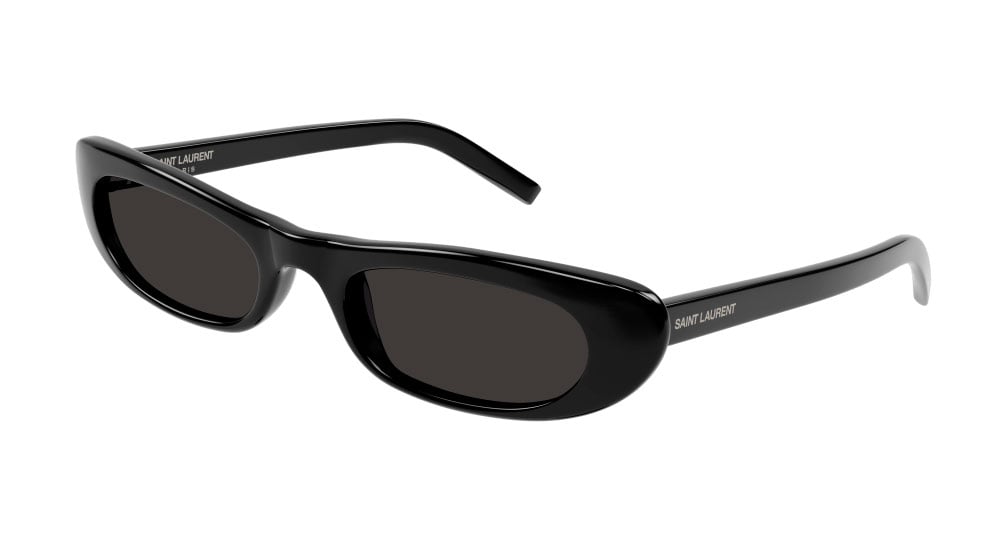


For this 2026, the best smart glasses are no longer that futuristic promise that seemed far away, but tools that we use every day. Thanks to the fact that they bring together a powerful artificial intelligence, a weight that is barely noticeable and 5G connection, these glasses manage to take away ground from the smartphone, giving us a much more immersive and simple form of spatial computing for any of us.
The space computing revolution in 2026
The year 2026 is undoubtedly a pivotal moment in the history of wearable devices. After so long watching giant, heavy prototypes, the industry finally managed to put powerful processors in frames that look like normal glasses. And of course, the fact that so many people use them now is not luck; it's just that we get tired of taking our phones out of our pockets all the time to see something. Moreover, as they now include generative AI that works on the fly, these glasses become a personal assistant that understands what we are looking at, helping us from translating a sign on the street to recognizing familiar objects or people.
That said, aesthetics are still key, because no one wants to wear a gadget that ditches style just because it's functional. That's why many of the best fashion and luxury eyewear brands are leading the way, working side by side with the tech giants to make innovation always look good. Spatial computing is no longer the preserve of the few, it's simply the new way we relate to everything digital around us.
Evaluation criteria: What makes smart glasses really 'smart'?
If we want to know which glasses are really worth it, we have to take a good look at several technical details. First, let's talk about the weight, because if they exceed 60 grams, they will end up bothering you if you wear them all day long. Then there is the autonomy; although the batteries are small, they need to last about 6 hours without problems. On the other hand, the AI latency has to be almost non-existent so that, when you ask for something or need a visual aid, everything works instantly and feels natural.

Ergonomics is another key point, as well as how much you can customize them to your liking. Many people need prescription glasses, so that's where choosing among the best brands of prescription glasses makes the difference, since they offer a solid solution by allowing you to graduate them without affecting the image you see or making them too heavy. If on top of that the materials are good and can withstand a little water, so much the better, because that way you will know if you can use them every day or if they are just for sitting in the office.
Benchmarking: The 7 best smart glasses of 2026
1. VisionCore Pro X
It is the undisputed reference when it comes to augmented reality. It has a field of view (FOV) of 60 degrees.
Pros: Sharpness is insane.
Cons: Costs an arm and a leg.
Verdict: Only for those who need to work at the highest level without distractions.
2. SportTech Elite
Designed especially for athletes, these glasses take the prize when we look for the best brands of sports glasses with smart features. They show you your heart rate and even GPS right there, directly on the glass.
3. Aura Lens Gen 3
They are the latest fashion trend right now. They focus on a super minimalist style, so much so that they manage to hide the cameras and sensors in an incredible way.
4. OceanView Smart
If you are passionate about the sea, you have to try these glasses because they bring an incredible display technology. Do you want to find the best glasses for sailing that also give you data on the wind or tides at the time? Then you will love this option.
5. AI-Assist Frames
Here we focus only on audio and voice commands. They're great for people who don't use screens and just want an assistant to read prompts or even translate what they're being told in another language.
6. DeepSea Vision
Designed specifically for sport fishing, these goggles blend artificial intelligence with premium polarized lenses. If you want to check them out, take a look at our comparison of the best polarized fishing glasses.
7. WorkFlow Glass
They are totally focused on remote work, letting an expert see in real time what you see in real time thanks to a connection that does not cut anything.
Augmented reality or voice assistants: what do you need?
In the end, it all depends on what you are going to use them for. Augmented Reality (AR) glasses are great if you need to have data or maps in front of your eyes all the time. However, you need advanced display technology for extreme conditions so that the image looks good even when the sun is beating down hard. On the other hand, voice assistants are much lighter, cheaper and go unnoticed; they are the ideal choice if you are just looking to wear your phone without having visual things getting in the way.
What's coming in vision: real-world uses for everyday life

These applications are no longer just a technological curiosity. From following virtual arrows that mark the path on the ground, to translating menus in other countries instantly, to getting help fixing things at home, it's all a reality today in 2026. If you're into adventure, augmented reality outdoor goggles have completely changed hiking, because now you see real topographic maps that snap right onto the terrain you're looking at.
Conclusion: Is it time to say goodbye to the smartphone?
It's still a little while before we can say that the smartphone is dead, but it's clear that it's no longer the sole master of our digital lives. The smart glasses we see in 2026 show us that technology can be invisible and stylish at the same time. If you're tempted to take the plunge, try to choose a model that really meets your vision needs. Stop by our specialized catalog to see what's available; there you'll find models that accept prescription, so you can make sure this shift into the new technological age is comfortable and a total fit for you.


