


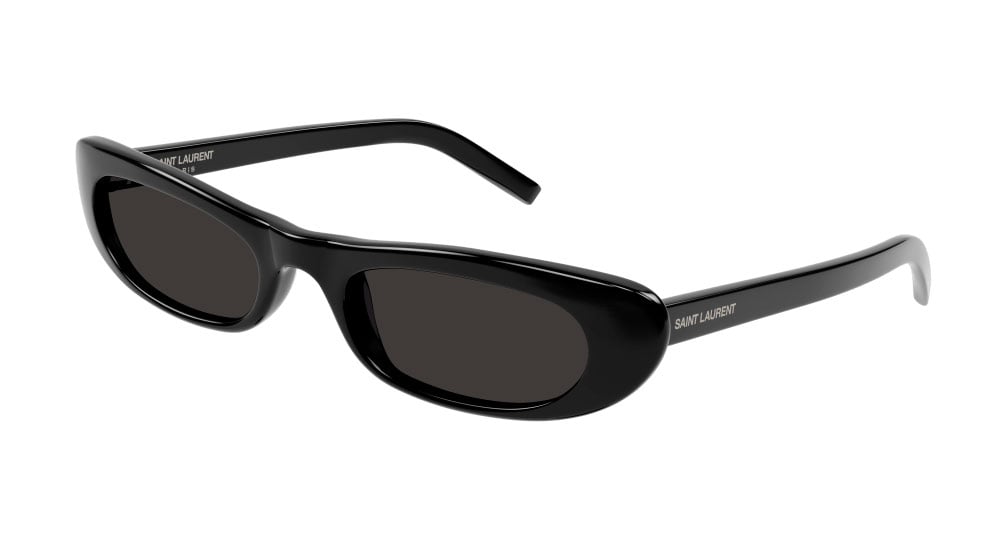


Glasses made using plastic rescued from the oceans are a real option, resistant and a great alternative to the usual materials. On the one hand, they mix modern design with a positive impact on the environment, and they show that we can dress fashionably and at the same time help regenerate our oceans, without that meaning we look worse or feel uncomfortable. If you choose these accessories, you are lending a hand to a whole chain of work that puts the cleanliness of ecosystems first and is responsible for reducing plastic waste, promoting the circular economy and true sustainability. There are brands, such as Raval Eyewear: Sunglasses made in Barcelona, that are leading this change, manufacturing sunglasses in Barcelona using recycled materials and circular design processes.
When the fashion industry sets out to clean up our seas.
{*640123568451*}
The eyewear sector has taken a turn towards the circular economy that no one expected. For many years, frames were almost always made from acetates and petroleum derivatives, but the landscape has changed completely. The idea of using plastics collected from beaches and the seabed is not just a nice message, but something technical that already works and is transforming the market. This fits perfectly with circular design, where you try to reduce the environmental impact as much as possible by collecting garbage to give it a second life, reducing waste and improving the ways of making glasses through an efficient transformation process.
In addition, when you choose glasses made from recycled plastic, you are getting more than just an accessory that looks good; you are betting on an innovation that allows you to create super-resistant pieces. There are brands like Etnia Barcelona sunglasses that prove that sustainable fashion can be stylish and committed at the same time. So, to learn more about what materials are available, we suggest you take a look at our article on Glasses made of plastic or metal: Which are better?, where we analyze what it feels like to wear them and how long each one lasts.
How does marine debris end up as a luxury accessory?
The truth is that the process of transforming this waste is a real feat of modern engineering. It all starts with the collection of garbage, especially those forgotten fishing nets, the famous "ghost nets", as well as high-density polyethylene plastics that we see floating in the ocean. Although these materials pollute a lot, they also have great mechanical properties if you give them the right treatment, so they make super good use as a raw material. With this approach we not only remove plastic from the oceans, but we help the circular economy a lot; we basically give value to what already existed, minimize our footprint and make eyewear manufacturing much more sustainable, reducing the environmental impact of plastic waste.
-
Collection and sorting: Fishing boats and various NGOs remove plastics from the water. They then sort them according to polymer type, which is key to recycling, and we make sustainability real while lowering the amount of plastic waste in the ocean by collecting debris and fishing nets.
-
Cleaning and shredding: We remove all the dirt, from salt to sand, to transform the plastic into granules or pellets. This greatly improves the quality of the material and minimizes the environmental impact of our manufacturing and transformation process, following best practices.
-
Injection or machining: We melt those pellets and inject the material into very precise molds. This way we get frames that weigh very little, are flexible and hold a lot. It is ideal for luxury accessories, fully committed to the circular economy and circular design within the eyewear industry and the design of each product.
This recycling system is key for our carbon footprint to decrease drastically. While some brands focus on premium materials, others are trying closer to home production processes, as you can see at Raval Eyewear: Sunglasses made in Barcelona. They prove that working close to home and being sustainable is not incompatible; it's super interesting to see how these ideas mix to encourage better practices when dealing with plastic and fishery-derived waste.
My actual experience: how do these glasses feel and look?
After trying on several models made with this recycled plastic, the first thing that struck me was their lightness; it really catches my eye. Unlike metal frames that are so heavy and sometimes annoying, these glasses are barely noticeable on the bridge of the nose, so it's a total relief. In addition, the finish usually has a matte or satin touch; this gives them a modern and sophisticated air that matches any urban style, whether classic or more current. They are a great alternative if you are looking for that sustainable point, whether you prefer plastic or metal glasses: Which are better? or if you usually pull towards the titanium glasses: reasons to choose them.
Characteristic Spectacles Plastic Ocean Glasses Conventional Glasses Weight Very light Variable (depending on material) Environmental impact Positive (cleanliness and reduction of plastic waste) Neutral/Negative Strength High flexibility High rigidity
Although they come from what we would call "junk", the end result is on par with any luxury brand, something that leaves you pleasantly surprised. So, if you're more into the classic, you can always mix your choice with iconic models, like the ones you can see in our collection of Etnia Barcelona Sunglasses. They have designs that never go out of style and look great to combine with your recycled plastic sunglasses, thus supporting a much more conscious and eco-friendly consumption in the fashion world.
Sustainability vs. durability: a real commitment or greenwashing?
{*640120684867*}
It is logical to wonder if a recycled material is going to hold up as well as premium acetate or titanium, it is a doubt that everyone has. The answer is a resounding yes, but the manufacturing process must be impeccable and rigorous. Think that, for example, fishing nets are designed to withstand harsh conditions of pressure and salinity; this makes them a super resistant raw material to make frames that, with a little care, will last forever. If you check out the best sunglasses brands for men, you'll see that these kinds of sustainability options are increasingly sought after by those who want to shop more responsibly.
Look, it's clear that how long your glasses last depends a lot on how you treat them, but if you're looking for something that will really hold up, you might look at titanium glasses. They're super tough, although they're not the only option, as there are other materials that are also worth looking at. Think about it: glasses made from recycled ocean plastic have a special value. Each pair saves a lot of waste from ending up as microplastics in the sea. So, you see yourself in this situation: on the one hand, you're attracted to the toughness of titanium, but on the other, you're buzzing about the positive environmental impact of recycling plastic, am I right?
The background of your eyewear: Much more than just a simple look
Choosing a frame made from ocean waste is more than a matter of style; it's a way to vote with your wallet through circular design. The impact goes beyond cleaning up a beach; you're actually helping to set up a recycling infrastructure that didn't exist before. And that's not all, because there are brands that partner with local fishermen. They pay them to recover the plastic and fishing nets that they accidentally pick up, which turns a waste product into a bonus for their pockets. So, in addition to cleaning up the sea, you give them a hand through good collection practices.
If you want to give a new air to your style with brands that are hitting hard, there is a very practical guide on the best brands of sunglasses for men. It shows you the most recommended models on the market right now and is great if you like to be on trend. In the end, betting on these sustainable alternatives also helps projects like the ocean cleanup to be really effective in their commitment to the planet.
A conscientious shopping guide: How do you know if a pair of glasses is really sustainable?
Did you know that you can choose your eyewear while avoiding greenwashing? Follow these tips to confirm that your glasses are really sustainable and not just a marketing strategy, analyzing their manufacturing process and the real impact of the product:
-
Don't trust seals that seem made up: look for official certifications such as the GRS (Global Recycled Standard), which truly guarantees the origin of the plastic, or look to see if there are recognized NGOs endorsing where those materials come from and their collection process.
-
Look at what the brand does away from the spotlight: A serious firm has no qualms about explaining how they get their waste and what their manufacturing process is, as this is part of their real commitment to sustainability and the circular economy.
-
Does the brand tell you the origin of your glasses? If they let you know the whole story behind the pair of glasses you are holding in your hand, it is a good sign that they are committed to transparency, circular design and responsible manufacturing.
But what does it really mean when glasses are made from plastic salvaged from the ocean? Basically, they are frames made from plastic waste that they pulled from the sea and then processed to give them new life; it's a key advance for sustainability and helps clean up a bit of so much plastic waste in the water.
How do you make sure your glasses are truly eco-friendly? Check to see if they have reliable recycling labels, such as GRS, and see if the company speaks clearly about their environmental impact and where they source their raw materials for the design of their models.
And what brands are doing interesting things with this recycling of ocean materials? You have pioneering firms like Sea2see, which are a benchmark, or brands like MODO, which have launched collections using fishing nets and other recovered plastics, an important step towards sustainability and reducing waste in our oceans through good practices.
The truth is that it is amazing how they transform old fishing nets and plastics to make glasses. It all starts by cleaning the material thoroughly and crushing it into tiny pellets; then they melt them down to make them liquid. Then, using very advanced molds, they inject this mass to give the glasses their shape, making them super resistant and with a very modern style, which perfectly demonstrates how recycling and this circular economy change the rules of the game in the optical industry and the impact of the final product.


