






Chanel, founded by Coco Chanel, is a French design brand synonymous with luxury, elegance and an innovation that transformed fashion. Its impact completely changed women's fashion, freeing it from the restrictions of the twentieth century to offer a timeless style. Today, it remains a global benchmark of sophistication and exclusivity.
The Immutable Essence of Chanel: A Legacy of Luxury and Revolution
{*640118653251*}
Chanel is not just a brand; it is a universe of luxury, a style statement that revolutionized women's fashion for more than a hundred years. From its beginnings, this French design icon has embodied timeless elegance, sophistication and a bold approach that challenged established norms. At the heart of this story is Coco Chanel(Gabrielle Chanel), a visionary whose life and ideas merged with the essence of the brand. She didn't just create clothes; she forged a new model for women. She freed her from oppressive corsets and excessive ornamentation, inviting her to comfort and functionality, a crucial step in women's liberation. Chanel' s true identity lies in its ability to infuse each couture piece with a spirit of freedom and modernity. It is a subtle yet palpable luxury that continues to captivate today's women everywhere.
Gabrielle Chanel: The Visionary Woman Who Transformed Feminine Elegance
Gabrielle Bonheur Chanel, known worldwide as Coco Chanel, emerged from humble origins to become one of the most influential figures of the 20th century. Born in 1883 in Saumur, France, her childhood in an orphanage, far from breaking her, forged her a determined character and a unique vision. Observing the nuns' clothes, always uniform, and the simplicity of the clothing of the time, Coco Chanel began to imagine a fashion that prioritized freedom and practicality, without ostentation. At the beginning of the 20th century, fashion imposed restrictive silhouettes, tight corsets and a profusion of details that restricted women's mobility. Gabrielle Chanel, with her rebellious and pragmatic spirit, saw the need to transform these norms. She wanted to free women from the shackles of Edwardian fashion, offering them garments that would allow them to move, work and live in comfort and elegance, a milestone for women's fashion. Chanel 's founder not only created clothing; she invented a new lifestyle for the modern woman, driving women's liberation and empowering them with a style that was beautiful, functional and characteristic of French design.
The First Chapters of the House of Chanel: Innovation and Audacity
Chanel began her meteoric rise in the fashion world in 1910, when Gabrielle Chanel opened her first boutique at 21 Rue Cambon in Paris, initially focusing on millinery. Then, in 1913, with the support of Arthur 'Boy' Capel, she established another boutique in Deauville, where she began to experiment with clothing. There, Coco Chanel dared to challenge the conventions of women's fashion, introducing unexpected fabrics such as jersey, previously only used for men's underwear. Her first famous creation, a simple but very elegant jersey jacket, was the beginning of a momentous change, laying the groundwork for future icons such as the tweed suit. Later, in 1926, she introduced the celebrated'Little Black Dress'. This design catapulted her as an unsurpassed innovator. A once mournful color became the ultimate expression of versatile elegance. This French design of timeless simplicity freed women from a complicated closet, giving them one garment that could do it all.
Chanel Nº5: The Perfume That Captured the Soul of an Era

In 1921, Coco Chanel, with her avant-garde vision, launched one of the most celebrated and best-selling perfumes globally: Chanel No. 5. It was a bold move, breaking with the trend of floral and sweet fragrances that predominated at the time. Coco Chanel commissioned perfumer Ernest Beaux to create a fragrance that "smelled like a woman, not a rose", and the result was a radically innovative composition, rich in aldehydes, which gave it an abstract, modern and multi-faceted scent. Its bottle, with its clean, straight-lined design, contrasted with the elaborate packaging of the time, inspired by whiskey bottles or laboratory flasks. Chanel Nº5 perfume was not only a resounding commercial success for the brand, but also became a cultural icon. Marilyn Monroe immortalized it when she confessed that she only used "five drops of Chanel Nº5" to sleep. Its cultural and commercial impact is undeniable, setting a new standard in the perfumery universe and reaffirming Chanel' s vision of timeless luxury.
The iconic Chanel logo: an unmistakable symbol of style
Chanel's iconic double C logo, with its two interlocking and opposing 'C's, is one of the most recognizable and respected symbols in the fashion world. The history of the distinctive Chanel logo dates back to 1925, although its exact origin is still a matter of debate. Some attribute its creation to Coco Chanel herself, inspired by the stained-glass windows in the chapel of the Aubazine orphanage, where she spent part of her childhood, or by the intricate designs of the Château de Crémat in Nice, owned by one of her friends. Regardless of its inspiration, this logo, with Gabrielle Chanel's initials, has become a global emblem of luxury, sophistication and the timeless spirit of the brand. Its simple, elegant and symmetrical design reflects Coco Chanel's aesthetic: a clean, memorable and enduring vision. It has transcended time, adorning everything from iconic handbags and refined jewelry to the celebrated Chanel No. 5 perfume and modern eyewear, always communicating exclusivity.
Timeless icons: from the tweed suit to the 2.55 handbag.
Beyond clothing and perfumery, Chanel forged its legend by creating accessories of desire that denoted status and style. The iconic tweed suit, introduced in the 1950s, represented an ingenious reinvention of menswear for women's fashion. Made of sturdy tweed, it consisted of a structured jacket, without shoulder pads, and a matching skirt. It offered an elegant and highly practical look, ideal for the modern woman of the time. Coco Chanel was inspired by men's sportswear and her travels in Scotland, adapting this rustic fabric to haute couture and French design for women. In parallel, in February 1955, Gabrielle Chanel launched the 2.55 bag, a quilted shoulder bag with an interwoven metal chain. This innovative design allowed women to keep their hands free. Its design, an amalgam of practicality and luxury, with a meticulously organized interior and a secret pocket, embodied the brand's distinctive elegant functionality. Both the tweed suit and the 2.55 bag are pillars of the brand and French design, reflecting Coco Chanel's conviction that true elegance lies in comfort and timelessness.
The post-war revival: Coco's triumphant return
After a period of self-imposed retirement during World War II, Coco Chanel made a determined return to the epicenter of fashion in 1954, at the age of seventy-one. At a time dominated by Christian Dior's "New Look" and its voluminous silhouettes, Gabrielle Chanel offered a useful and elegant fashion alternative that resonated deeply with women who yearned for freedom and comfort, symbolizing women's liberation. Her return not only revitalized the house of Chanel, but also consolidated her vision of an enduring and emancipatory fashion. During this period, Coco Chanel consolidated the relevance of her iconic creations such as the tweed suit and the 2.55 bag. These iconic designs became synonymous with the brand, helping it to reaffirm its position as a benchmark of haute couture. This key phase in the history of the Chanel brand highlighted the resilience and unwavering conviction of its founder.
The post-Coco era: the legacy carried on by design visionaries
When Coco Chanel passed away in 1971, the future of her fashion house became uncertain. But in 1983, visionary Karl Lagerfeld took over as creative director. And he not only maintained what Coco had created, but magnified it and took it to new heights. For more than three decades, Lagerfeld was Chanel's mastermind. He transformed the brand to make it modern, without losing its essential identity. With his genius, he reinterpreted classic Chanel elements - the tweed suit, pearls, camellias, the black-and-white pairing - infusing them with an innovative and daring spirit. Lagerfeld turned each runway show into a grand spectacle, attracting new generations and establishing Chanel as a leader in luxury and avant-garde French design. His ability to fuse past and present was unsurpassed. Following Karl Lagerfeld's passing in 2019, Virginie Viard, who worked alongside him for more than 30 years, took over as creative director. Viard, with a more relaxed aesthetic and focus on ease of use, continues in the path of Coco Chanel and Karl Lagerfeld. She preserves Chanel's unique elegance, adapting it to contemporary demands and maintaining its relevance in global women's fashion.
Chanel beyond couture: elegance in every detail

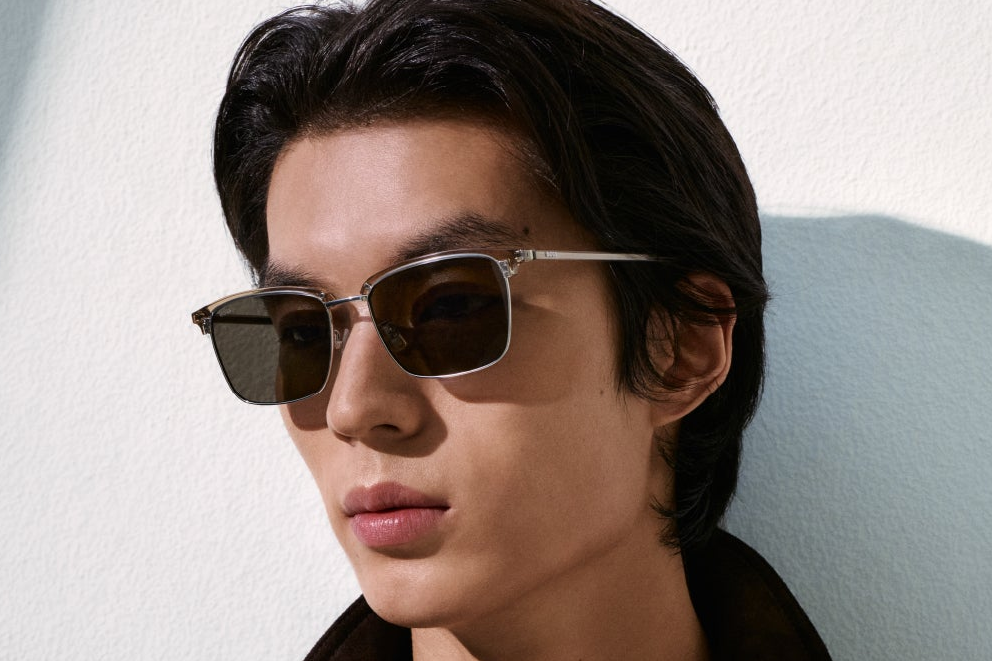
Chanel transcends catwalks and perfumes. Its vision of luxury encompasses an entire lifestyle. The house has become renowned for its exquisite accessories, where attention to detail and high quality are paramount. From high-end jewelry to precision timepieces, Chanel imbues each creation with its distinctive touch of sophistication and elegance. In this universe, eyewear occupies a crucial place. They are not mere optical instruments, but true fashion components. Gabrielle Chanel, who saw elegance as a whole, understood that each element of a woman's outfit contributed to the harmony of the entire look. Although she did not create "famous eyewear" with the same notoriety as the Little Black Dress or the 2.55 bag, her principles guided the creation of designs that embody the essence of the brand: timeless shapes, premium materials and recognizable details. Chanel eyewear, whether sunglasses or prescription, transforms an everyday object into a style statement, conferring an aura of luxury and distinction to the wearer.
Chanel Eyewear: A Seal of Distinction and Sophistication
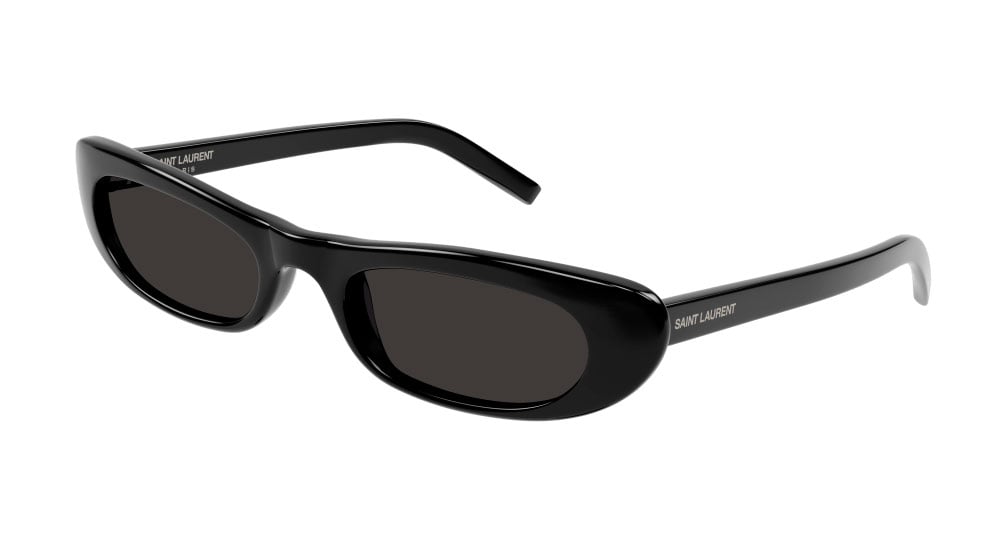
Chanel eyewear is a reflection of the brand's essence: timeless elegance and impeccable craftsmanship. Although Gabrielle Chanel did not initially design eyewear, her revolutionary spirit in women's fashion and women's liberation marked the French design of future accessories. Chanel eyewear is characterized by refined lines, classic silhouettes and distinctive details of the house, such as quilted chains, the iconic tweed suit, pearls and, of course, the unmistakable double C logo. More than an accessory to protect the eyes, these glasses are a style statement that embellishes the face with an air of luxury. The quality of their materials, such as polished acetate or precious metals, together with their meticulous tailoring, guarantee not only dazzling aesthetics, but also exceptional durability. For those seeking sophistication and a touch of distinction, the Chanel Sunglasses and the Chanel Prescription Glasses offer a wide range of options. Models such as the Chanel Ch3408q C622 52 Mm or the Chanel Ch4265q C395 3 53 exemplify the perfect fusion of functionality and high fashion in a single object.
Chanel Iconic Eyewear
Chanel's eyewear line is a testament to the brand's ability to fuse tradition with innovation, creating functional and luxurious pieces. Each design reflects the master craftsmanship and distinctive style that define the house, with unmistakable details. Below is a table of some of the most iconic and coveted eyewear that captures the timeless elegance and spirit that Coco Chanel bequeathed to the fashion world.
[*14719220744515,14718245077315,14898790072643*]
| Model | Main Style | Distinguishing Features | Ideal For |
|---|---|---|---|
| Chanel Ch3408q C622 52 Mm | Modern cat eye glasses | With an acetate frame, and the temples have chain-like details and are padded. | Suitable for oval or heart-shaped faces. If you like vintage but with a modern twist, these are for you. |
| Chanel Ch4265q C395 3 53 | Aviator style, but more elegant | The frame is thin metal, the lenses go from dark to light, and it has a double bridge. | It fits almost any face. For those who want to look classic and stylish. |
| Chanel 5410 | Large square | Acetate frame that is thick, with the CC logo tucked into the temple. | If you have a round or oval face, and want your glasses to be noticed, these are it. |
| Chanel 5414 | Evergreen butterfly | The lines are soft, and the temples have pearl or chain details. | For square or angled faces, to look more feminine and pretty. |
| Chanel 4278 | Simple round | They are made of fine metal, with a retro but elegant look. | If your face is square or diamond-shaped, they will make you look more intellectual and classy. |
| Chanel 5422 | Panto or round type | They can be made of acetate or metal, have a bridge like a keyhole and thin temples. | For oval and triangular faces. They give you a bohemian but classy look. |
| Chanel 4279Q | Cat eye with chain | The frame is metal, and the temples have an intertwined leather chain. | If your face is oval or heart-shaped, these will give you a unique and very luxurious style. |
| Chanel 5431 | Rectangular with angles | Acetate frame with clean, clean lines and CC logo on the temple. | For round or oval faces, for a modern style that looks professional. |
| Chanel 4280 | Screen type, large | They only have one large lens. They are like sporty but luxurious, the frame is almost invisible. | If you have a large face or want to protect yourself from the sun and look fashionable. |
| Chanel 5433 | Stylish Wayfarer | With acetate frame, the temples are wide and carry the CC logo in a discreet way. | They fit almost any face. They are very versatile and never go out of style. |
Milestones Marking Chanel's Journey to Immortality
The trajectory of the Chanel brand is marked by countless milestones that have established it as one of the most influential and relevant luxury houses in the world. From its bold beginnings with Gabrielle Chanel to becoming a global icon, these key moments reflect its evolution and the legacy of its successors:
- 1910: Opening of the first hat boutique on rue Cambon in Paris by Coco Chanel.
- 1913: Introduction of sports fashion and the revolutionary use of jersey fabric in Deauville.
- 1921: Launch of the famous Chanel No. 5 perfume, a milestone that lasts.
- 1926: Presentation of the 'Little Black Dress', a garment that symbolized women's liberation.
- 1929: Debut of his first jewelry collection, innovating in high jewelry.
- 1954: Gabrielle Chanel's triumphant return to the world of haute couture.
- 1955: Creation of the iconic 2.55 bag, freeing women's hands.
- 1957: Introduction of the two-tone shoe, a timeless French design classic.
- 1983: Karl Lagerfeld takes over as creative director, revitalizing the brand globally.
- 2002: Launch of the exclusive fine jewelry line, 'Joaillerie'.
- 2019: Virginie Viard succeeds Karl Lagerfeld as creative director of the house.
These pivotal moments not only narrate Chanel's evolution, but also demonstrate its constant ability to reinvent itself and redefine the concept of luxury in fashion. Find out more about the stunning Chanel collection.
Chanel: luxury that's always there, a brand that beats time
Chanel transcends the simple notion of a clothing brand; it is an enduring emblem of luxury, sophistication and audacity that has endured for generations in French design. From Gabrielle 'Coco' Chanel's revolutionary designs, which symbolized women's liberation with iconic pieces such as the Little Black Dress, the tweed suit, the 2.55 bag, Chanel No. 5 perfume and the double C logo, to its revitalization by Karl Lagerfeld in haute couture and the vision of Virginie Viard, the brand has maintained its values. Timeless elegance , unparalleled quality and bold creativity are the pillars that support the Chanel universe. Every women's fashion garment, accessory and perfume from the house not only evidences exceptional craftsmanship, but also embodies independence and feminine empowerment. Coco Chanel' s legacy reminds us that true fashion lies not in following ephemeral trends, but in cultivating a personal style that transcends time. As Coco Chanel said:
"Fashion passes, style remains."
This maxim encapsulates the essence of Chanel, a couture house that inspires and redefines luxury globally. It demonstrates that authenticity and a clear vision endure beyond passing fads. Its impact on women's fashion and ability to reinvent itself, without diluting its identity, ensure it a preeminent place in the world of design.


