We shipping to [[country_name]]
- You can buy in [[currency_code]]
- Shipping to [[country_name]]
- The language defined is [[language_code]].
Change your shipping address:

Achieving good vision and maintaining healthy eyes is a mix of eye nutrition and eye exercises, environmental protection and doctor visits. Here are 15 ways, supported by science, to make your eyes stronger, keep them from deteriorating and promote a natural visual rest. It's vital for preventive eye health.
Sight is one of our most important senses. It serves us for everything in the world and for being independent. But we often don't give it much thought until something goes wrong. Seeing well doesn't just mean you can see clearly near and far. It also means that you don't have eye conditions , that you see colors well and that your eyes get used to light without any problems. Now, with the exposure to screens and blue light and eyes, our eyes are always exposed. That is why it is very important to take care of them before.
This text will give you 15 practical tips, which have a scientific basis, to improve your eyesight and to keep your eyes healthy for a long time. We will give you a complete guide to take care of your visual well-being. We'll talk about everything from eye vitamins and what to eat to how to rest and protect your eyes.
"Eye health is a fundamental pillar of quality of life. Investing in your daily care is investing in a clearer future." - Bassol Optics Specialist Team.
Many people wonder if one can improve eyesight only naturally. Let's be honest. If you have serious problems such as nearsightedness, farsightedness or astigmatism, you will usually need glasses, contact lenses or an operation to see perfectly. To think that you can "cure" these defects naturally has no scientific basis.
But that doesn't mean we can't actively improve our preventive vision health. Yes, it is possible to optimize vision naturally, prevent it from worsening, reduce eye fatigue, reduce the risk of disease and keep eyes in their most optimal state. Good eye nutrition, along with eye vitamins, can delay presbyopia, relieve dry eye and make you focus better, especially when your eyes are strained. Having healthy habits contributes to better vision for life, even if we sometimes need glasses or lenses to see well.

Eye nutrition is essential for preventive eye health. Certain foods provide essential nutrients to protect the eyes from damage and ensure optimal eye function. To maintain good eyesight, it is crucial to consume eye vitamins A, C and E, as well as minerals such as zinc, lutein and zeaxanthin.
Vitamin A is essential for good night vision and proper retinal function. Vitamin C acts as a powerful antioxidant that helps prevent cataract formation and protect the macular area of vision. Vitamin E safeguards delicate eye cells from oxidative damage. Zinc improves the assimilation of vitamin A and promotes the formation of protective pigments in the retina. Lutein and zeaxanthin act as an internal sunscreen, crucial for protecting the macula from the harmful effects of blue light and eyes.
| Important Thing | What It Does Mainly | Food Examples |
|---|---|---|
| Vitamin A | For night vision, retinal health | Carrots, sweet potatoes, spinach, liver |
| Vitamin C | Protects, prevents cataracts | Citrus fruits, peppers, broccoli, strawberries |
| Vitamin E | Protects cells, antioxidant | Almonds, sunflower seeds, avocado, spinach |
| Zinc | Helps Vitamin A, forms pigments | Oysters, red meat, beans, pumpkin seeds |
| Lutein and Zeaxanthin | Filters blue light, protects macula | Spinach, kale, egg yolk, corn |
| Omega-3 (DHA/EPA) | Healthy eyes, prevents dry eye | Fatty fish (salmon, sardines), chia seeds, walnuts |
While proper eye nutrition is paramount, in certain cases, supplements can be beneficial, especially for those who do not consume enough nutrients or are at risk for eye problems. Supplements with omega-3 (DHA and EPA), lutein, zeaxanthin and various eye vitamins and antioxidants have shown potential for reducing the risk of age-related macular degeneration (AMD) and dry eye syndrome. However, it is crucial to consult a physician or ophthalmologist before taking any supplement, as incorrect dosing or drug interactions could have adverse effects. Self-administration without professional supervision is not advisable.

Regular practice of eye exercises does not correct refractive problems, but contributes significantly to reducing eye fatigue, increasing muscle flexibility and improving focusing ability. They are especially beneficial for those who spend long hours in front of screens, as part of visual rest. Here are some simple eye exercises:
It is very important to be consistent to see that these exercises work, and you have to do them in a place where you are calm.
Prolonged exposure to digital screens and blue light strains your eyesight. The 20-20-20 rule is a simple and very effective strategy to promote visual rest and mitigate eye fatigue. It consists of:
This brief eye exercise relaxes the eye muscles, promotes natural blinking and prevents dryness. It is essential for preventive eye health if you work or study for long hours.
As we concentrate intensely on screens or detailed tasks, the frequency of blinking decreases. At times, it can be reduced by as much as 60 percent. This causes the tear film to evaporate faster, leading to itching, irritation and blurred vision. To avoid this, it is crucial to blink consciously and frequently, especially when using a cell phone or computer. Try closing your eyes completely for a moment and then open them. In this way, the eyelids effectively distribute the tears.
Quality sleep is vital not only for your body, but also for your eye health. During rest, your eyes recover from the day, hydrate properly and repair any damage. Sleep deprivation can manifest with red, puffy eyes, eyelid spasms or pain. It is essential to get 7 to 9 hours of sleep each night. In this way, your eyes are revitalized and maintain their optimal functioning, favoring visual health.
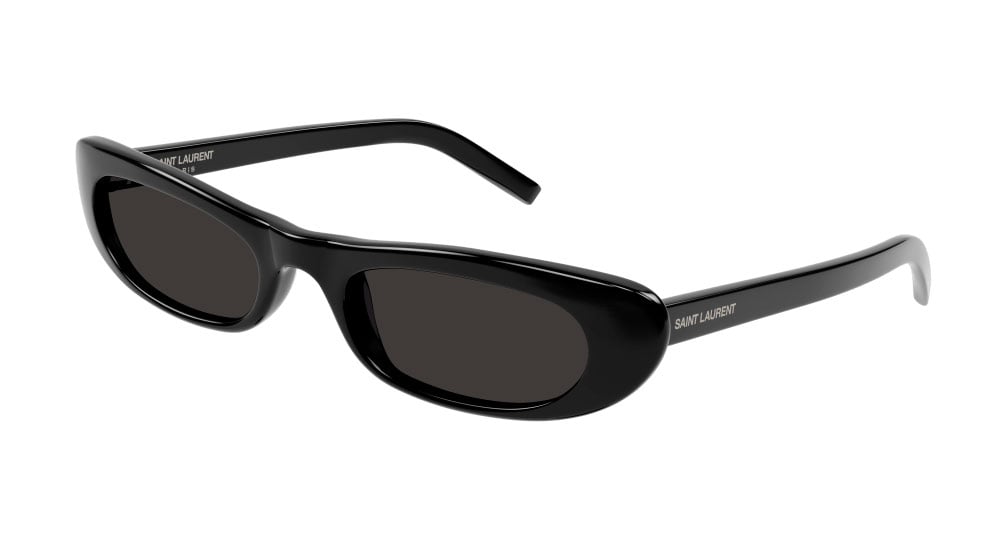
Prolonged exposure to the sun and ultraviolet (UV) rays can seriously damage your eyes, increasing the risk of cataracts, macular degeneration and other conditions. It is crucial to wear sunglasses that offer 100 percent protection against UVA and UVB rays. Make sure they are certified "UV400" or marked "100% UV protection". Not all dark glasses guarantee this defense; therefore, their quality and certification are more important than the color of the lenses.
Optimal body hydration is essential for tear production and proper eye lubrication. If you lack water, you can get dry, irritating and uncomfortable eyes. Make sure you drink enough water throughout the day. This simple practice contributes to good eye function and is key to preventive eye health. It is recommended to consume at least 2 liters of water daily, an amount that may vary depending on exercise or climate.
Smoking is very detrimental to overall health, including that of your eyes. Smoking makes you much more prone to cataracts, age-related eye disease (AMD), glaucoma, diabetic retinopathy and dry eye syndrome. The toxic substances in tobacco reduce ocular blood flow and damage retinal cells. Quitting smoking is one of the best things you can do to take care of your eyesight for a long time.
Long-term stress can affect eyesight in different ways. When we are stressed, the body releases hormones, such as cortisol, which can change the pressure inside the eye and how blood reaches it. This is seen as tired eyes, seeing blurry for a while, sensitivity to light, or a twitch in the eye. Sometimes, in very severe cases, something called central serous chorioretinopathy can develop. To protect your vision from stress, it is essential to manage it. Activities such as relaxation, exercise, meditation or adequate visual rest can mitigate these problems and safeguard your eyes.
Keeping your eyes clean is very important to keep them free of infection and healthy. Do not touch your eyes if your hands are dirty, because this way you pass bacteria and viruses to them. If you use makeup, remove it all before going to sleep and change your products often so that bacteria do not grow. To clean your eyes every day, use things made for that purpose or warm water, and dry them with a clean towel. If you wear contact lenses, you have to follow exactly how to clean and store them.
Poor lighting often makes your eyes tired. So that your eyes are not strained, make sure that where you work or read has good, even light, without direct glare or harsh shadows. The light must be soft and come from a good place, better from the side, whether you are right-handed or left-handed, so that it does not cast shadows on what you read or on the screen. Do not work or read in the dark with a single strong light, such as that of the computer, because such a large contrast is very tiring to the eyes.

The distance at which we position our reading materials or devices greatly affects how hard our eyes have to work to see well. When using a computer, it's best if it's about 50-70 centimeters away from you, and the top of the screen should be at eye level or a little lower. If you are reading a book or using a cell phone, 30-40 centimeters is usually enough. This way, you don't strain your focusing eye muscles so much and promote proper visual rest.
The blue-violet light emanating from computer, tablet and mobile screens has raised concerns about its impact on eye health and sleep quality. The relationship between blue light and eyes is an area of ongoing study. Research is still ongoing, but it appears that prolonged exposure can induce eyestrain and disrupt natural melatonin production. To minimize this exposure, you can do this:
To maintain optimal long-term preventive eye health, it is essential to see an eye care professional regularly. Many eye diseases, such as glaucoma or macular degeneration, do not manifest initial symptoms. When a specialist performs a comprehensive examination, he or she not only evaluates visual acuity and the need for correction, but also inspects the inside of your eyes. This allows problems to be detected before they progress. The recommended frequency varies depending on age and risk factors, but is generally every one to two years. Early detection greatly facilitates treatment and preservation of your vision.
Taking care of your eyes and maintaining healthy vision is a comprehensive journey that requires constant attention. As we've already seen, there is no magic bullet to reverse all vision problems instantly, but rigorous implementation of these 15 scientifically proven tips can significantly improve your vision in the long run. Proper eye nutrition, rich in eye vitamins, along with regular eye exercise, protection against harmful factors and stress management, collectively contribute to eye health.
Remember not to give up, to be consistent, and that it is far better to avoid a problem than to have to fix it. If you start doing these practices every day and see a specialist regularly, you will be investing in a future with clearer vision and better functioning eyes. Your eyes are precious; give them the care they deserve.

Fast shipping

Secure payment

5-star reviews

14-day return policy