





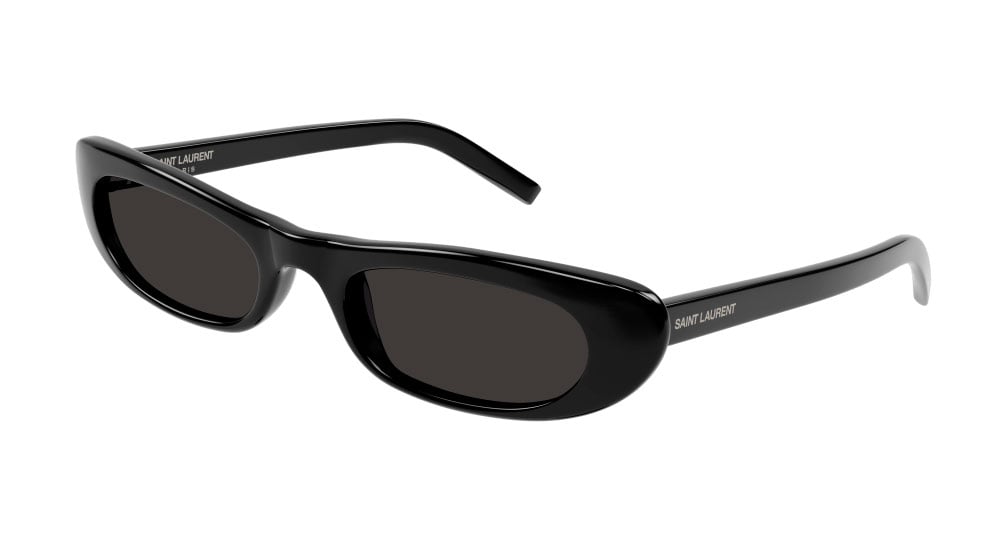


Here in 2026, science tells us that wearing blue light glasses doesn't magically solve eye strain from looking at screens. It's true they can lend a hand in maintaining your sleep cycle if you use them right before bed, but the reality is our eyes get tired mostly because we don't blink enough and they dry out, rather than from the type of light emitted by the monitor.
Introduction: Why Everyone's Wearing Blue Light Glasses in 2026
As we live glued to all sorts of electronic devices, blue-light filtering glasses have become a star accessory this decade. Even in 2026, we're surrounded by screens in the office and at home, so many people are looking for a quick fix to prevent their eyes from stinging. But be warned, advertising has been very aggressive, and often we've been told stories that medicine doesn't fully support.
For the past six years, experts have thoroughly reviewed whether we truly need these filters for daily life. Brands have launched all sorts of products, even incorporating this technology into Smart Glasses 2026: Ray-Ban Meta vs. Oakley Vanguard, but as a user, you should know what truly protects you and what's just a placebo effect. At the end of the day, the important thing is to understand that eyesight doesn't get exhausted solely by pixel light, but by how long we stare fixedly at screens for so many hours straight.
What Exactly Is This Blue Light and Why Are We So Afraid of It?
Blue light, which we technically call high-energy visible light or HEV light, is basically a part of the visible color spectrum. Be aware, it's not the same as ultraviolet rays, which we know do damage the eye over time; the light emitted from our screens is much weaker than the sunlight that hits us directly. Ultimately, all the fear about it burning our retinas comes from laboratory experiments on cells in petri dishes, but that's not the same as what we experience every day.
If you want to take care of your eyesight, don't rush to buy the first thing you see anywhere. You need to pay close attention to the materials you use. And if you're unsure if your current glasses are doing anything, we recommend checking out our post on how to check if your glasses have a UV filter, because honestly, protecting yourself from invisible radiation is much more urgent than filtering light from phones or laptops.
What's New in 2026? Do These Glasses Actually Reduce Eye Strain?
Right now, experts don't agree, and there's no solid evidence confirming that wearing blue light glasses alleviates screen-related eye strain. In fact, medical specialists say that the famous computer vision syndrome—the one that leaves your eyes irritated, red, or blurry—is caused by a multitude of different reasons. According to the latest research in 2026, fatigue mainly appears due to:
Reduced Blinking: When we're glued to the screen, our eyes blink up to three times less than normal, which ultimately leads to quite uncomfortable dryness.
Accommodation Effort: The eye tires considerably because we keep our gaze fixed at a distance that rarely changes.
Reflections and Glare: If the lighting where you work isn't adequate, you force your vision to make an extra effort that shouldn't really be necessary.
So, putting a blue light filter on your glasses won't magically fix everything. If you notice your eyes bothering you constantly, it's better not to self-diagnose; the smart thing to do is get a Vision Exam: How to Know if You Need Glasses to rule out whether you need a prescription and stop straining your eyes.
How Does This Affect Sleep Patterns and Rest?
Where there is clear evidence is in how blue light interferes with our sleep. When we're exposed to this high-intensity light at night, the body slows down the production of melatonin, the hormone that helps us sleep. So, ultimately, you have more difficulty falling asleep and rest much worse.
This is where filter glasses do help, but only if you wear them a couple of hours before going to bed. Wearing them all day won't significantly change how your body functions. Think of it more as a sleep hygiene habit, but don't expect it to be a miracle cure for eye strain when you're working.
Beyond Glasses: Real Strategies to Combat Eye Fatigue
If you want to take good care of your eyesight, you need to change how you interact with screens daily. The truth is, prevention is much smarter than looking for expensive lens filters:
20-20-20 Rule: Take a break every 20 minutes, focus your gaze on something about 20 feet away, and hold it for at least 20 seconds.
Ergonomics: Carefully check your monitor placement; ideally, it should be at the correct distance, and your eyes should be slightly above the top edge of the screen.
Lubrication: Keep artificial tears on hand in case you notice dry eyes, whether you're wearing glasses or not.
Incorporating these routines is a key piece of a 2026 Visual Health: Eye Care Resolutions designed to keep your eyes healthy in the long term. Technology helps us, yes, but nothing beats being consistent with our own self-care.
Smart Buying Guide: When Is It Worth Investing?
Nowadays, the market is flooded with cheap products that, frankly, can do more harm than good. That's why choosing Pharmacy Glasses: Risks to Your Visual Health is something experts always advise against. The problem is that many don't even have good anti-reflective coatings, and in the end, the image is distorted, which ends up tiring your eyes even more instead of giving them a break.
If you're planning to get blue light filtering glasses, the best thing is to see an optician-optometrist so they can prescribe them properly. Remember that a real filter should appear almost transparent; if they sell you lenses that look too yellow, be careful because they will alter how you perceive colors, which is a serious problem if you work in graphic design or video editing.
Conclusion: Myth or Necessary Tool?
Look, blue light glasses aren't the miraculous solution for eye strain that advertising makes them out to be. It's clear that using them at night has scientific backing because they help improve sleep, but their actual effect in preventing eye strain during the day is quite weak. Ultimately, having healthy vision in 2026 doesn't depend so much on the lenses you wear, but on how you manage your screen time and on not skipping regular check-ups with specialists.


