







It is important that your glasses and hearing aids fit well to be comfortable all day long, and that they work well. At Optica Bassol, we know that everything has to go together smoothly for you to see and hear well, without looking weird or not working at all.
The Hassle of Putting on Glasses and Hearing Aids: What Matters
A lot of people wear glasses and hearing aids, but sometimes it's a hassle, and they may not fit you well or do what they're supposed to do. The rubbing between them, especially behind the ear and at the temples, can squeeze, cause them to move, or cause them to malfunction. If they don't fit properly, not only do they bother you, but you also hear and see worse, and that makes life difficult. At Óptica Bassol we understand that if they fit you well, you will be able to use your glasses and hearing aids at ease, without them bothering you and so that they do their job as well as possible. You have to think about this from the beginning and take care of it every day.
Getting Squeezed or Bothered

The most typical thing is to be squeezed. It usually happens behind the ear, where the temples of the glasses and the hearing aid fight for the place, or on the sides of the head. If it squeezes you all the time, it hurts, irritates your skin, and sometimes even gives you a headache. Also, because of the rubbing, they can move and you have to keep adjusting them, and that's tiring. If it hurts or squeezes behind your ears with glasses and hearing aids, sometimes it helps to choose light glasses, small hearing aids, and have them adjusted by professionals.
Blocking or blocking your vision/ear
In addition to physical discomfort, if it doesn't fit properly, there can be problems. For the ears, if the hearing aid is poorly fitted, it can whistle, and the temples of the glasses can block the microphone. For your eyesight, if the glasses don't fit properly or move, you can't see clearly. The feeling of having "too much stuff" behind your ears, or that it's a mess to manage both, makes you feel uncomfortable and takes away your confidence. Keeping glasses and hearing aids from clashing is important so they don't get in the way.
Choosing Right: Glasses and Headphones Together
The most important thing is to choose glasses and hearing aids that go well from the start. That way you avoid problems later. If you choose well, you save trouble and everything works better. At Óptica Bassol, we help you choose, we think about what you need to see and hear, and also in your daily life. We want everything to work at the same time, that you are comfortable and that it serves for what you need. Good design and materials from the start is key, so your glasses and hearing aids fit well, period.
Which Glasses Go Best with Hearing Aids
If you wear hearing aids, the frame of your glasses matters. Those with thin, straight temples are usually best, because they don't take up too much space behind the ear. Materials such as titanium, lightweight plastic or flexible alloys are good ideas; they are strong, lightweight and fit better on your head without being too tight. Glasses with flexible hinges also help because they are more adjustable. The best glasses to wear with hearing aids are, without a doubt, the ones that are not heavy and are not very noticeable.
Hearing Aids That Don't Get in the Way with Glasses

Hearing aid technology has improved so much, there are options that work better with glasses. In-the-canal (CIC) or in-the-ear (ITE) hearing aids are the smallest and do not collide with the temples of glasses, they are tucked inside the ear. But they are not suitable for all hearing problems. Behind-the-ear (BTE) and receiver-in-the-canal (RIC) hearing aids are also common. RICs, especially, are smaller than regular BTEs, with a thin wire linking the hearing aid (behind the ear) to the receiver (inside the ear), making it easier to put on glasses. Yes, there are hearing aids made for people who wear glasses, like the RICs that are short.
To give you an idea, here is a table:
|
Type of hearing aid |
What it is |
Goes well with Glasses |
The good thing |
To take into account |
|
Completely in the Canal (CIC) |
Tucks all the way into the ear canal, barely visible. |
Great (doesn't touch the sideburns). |
Very inconspicuous, doesn't clash with glasses. |
Not suitable for all ears, battery lasts less. |
|
In the Ear (ITE) |
Put on the inside of the ear. |
Very good (hardly shocks). |
Easy to use, does not bother with glasses. |
You see more than the CIC, may be big for some. |
|
Behind the Ear (BTE) |
Outside goes behind the ear, with an ear mold. |
Good (need to adjust temples well). |
Powerful, good for ears that hear very little, easy to care for. |
May clash with large earpieces; these are larger devices. |
|
Receiver in the Channel (RIC) |
Similar to the BTE, but the receiver goes in the channel, not on the outside. |
Great (the outside is small and disguised). |
Very concealable, comfortable, fits most ears. |
Thin wire can break, need to clean often. |
How to put on glasses and hearing aids properly and comfortably
You've already chosen your devices, but if you don't put them on properly, they won't do much good. At Bassol Optics, we want everything to be comfortable. We want your glasses and hearing aids to feel as if they were part of you, without bothering you or getting in your way. We help you in the store and give you tips on how to look good at home too. It's important that glasses and hearing aids go together smoothly.
What They Do at the Optician's and Hearing Center
If you wear glasses and hearing aids, it's important to get them fitted properly. Our opticians at Optica Bassol know how to fit your glasses so they don't clash with your hearing aids, and they weigh just enough. We also talk to the audiologists, they make sure that the hearing aids fit well and that you hear clearly. We talk to each other so you get the best. This way, they don't squeeze you anywhere and everything works perfectly. We make sure that sight and hearing work together, that's what's important.
Tips for Putting on Glasses and Hearing Aids at Home
Although the store will make everything perfect for you, there are things you can do yourself every day:
-
Putting things on: First, put on your hearing aids. Make sure they fit snugly, behind or inside your ear. Then, carefully put on your glasses, making sure that the temples go over the hearing aid without squeezing it.
-
Taking things off: Take off your glasses first, slowly, forwards and upwards, so as not to snag the hearing aid. Then take off your hearing aids.
-
Looking fast: Make sure that the temples of your glasses do not press the hearing aid against your head. If it bothers you, move the glasses a little bit.
-
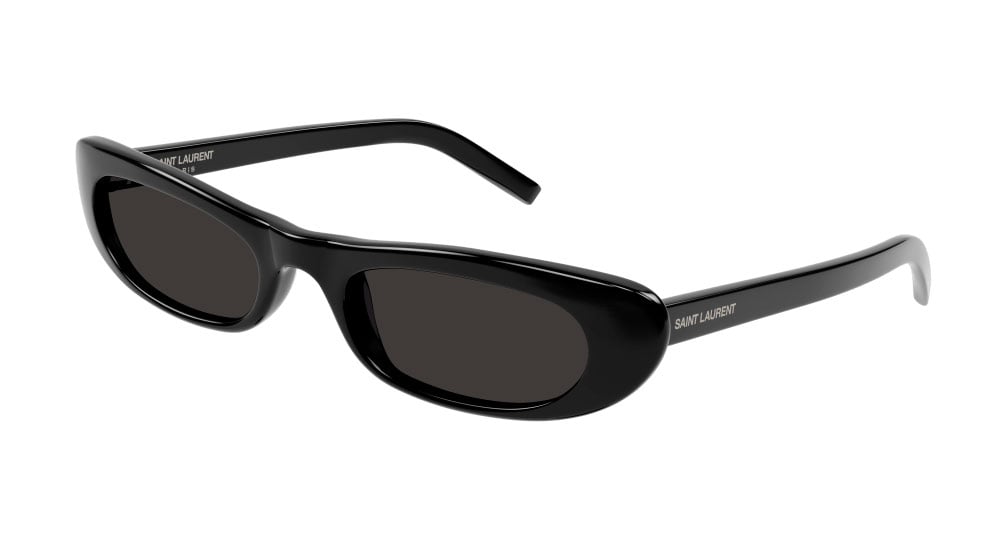
Sunglasses: Yes, you can wear sunglasses and hearing aids at the same time. Do it as I said before, but it is better if the sunglasses have thin temples and are not too heavy. Raval Paradise C2 52 or Raval Paradise C3 52 are fine.
Taking care of things so they last and don't get in the way
You have to take care of your glasses and hearing aids every day. For glasses, clean them with a cloth and lens cleaner. The hearing aids, follow the manufacturer's instructions to clean them, especially the parts inside and the microphones. Occasionally check your glasses for bent temples or loose nose pieces, or broken wires on your hearing aids. If something bothers you or doesn't fit properly, come to Óptica Bassol and have it looked at. A timely fix saves you trouble and makes your devices last longer.
New things to make everything work together
Sight and hearing technology keeps getting better and better. They now make things that are more discreet, lighter and more comfortable for people who wear hearing aids and glasses. They're trying to make it so that wearing both is normal and you're hardly aware of it. This helps to be more comfortable and to be able to do more things. In Optica Bassol they always have the latest for you.
Light and comfortable glasses
[*14832281682243,14832260743491,14832677585219,14832680042819,14871643259203*]
Glasses are now made with hearing aids in mind. They use very light materials such as titanium, Grilamid TR 90 or special acetate. This makes them lighter and more durable. The temples are thinner and curve better to the head, without squeezing. Some temples are made to leave a hole for the hearing aid, which fit better and work well. The Palm Angels Paradise 2464 53 are an example of this.
Hearing aids that are barely visible
Hearing aids are now smaller and connect to everything. RICs, which are the ones that go behind the ear, are almost invisible, you can hardly see them at all. Many of them have Bluetooth, so you can listen to music or cell phone calls directly in the hearing aid, you don't need other things. And that thing about them beeping when you put on your glasses is almost a thing of the past, technology has improved it a lot. Some hearing aids even think for themselves, they adjust themselves to whether you are in a noisy or quiet place, so you can hear better without the hearing aid being bigger. It's all technology.
In Óptica Bassol we take care that you see and hear well.
In Optica Bassol we know that wearing glasses and hearing aids doesn't have to be a mess, on the contrary, we want everything to go well together. We talk about how to put things on without getting in the way, how to choose the right devices, how to have them adjusted by professionals and how to take care of them. We want to give you the best, things made for you that look good and work perfectly, so you can see and hear great. Come by the store and we'll give you a hand to find what you need, to make you feel comfortable and safe, and that everything goes smoothly every day.


